Honeymoon Afloat: Amalfi Coast or Aeolian Islands for Your 2027 Sailing Honeymoon?
Amalfi glamour or Aeolian volcanic drama? A honest comparison of the two best regions for an Italy sailing honeymoon by catamaran.
Read more
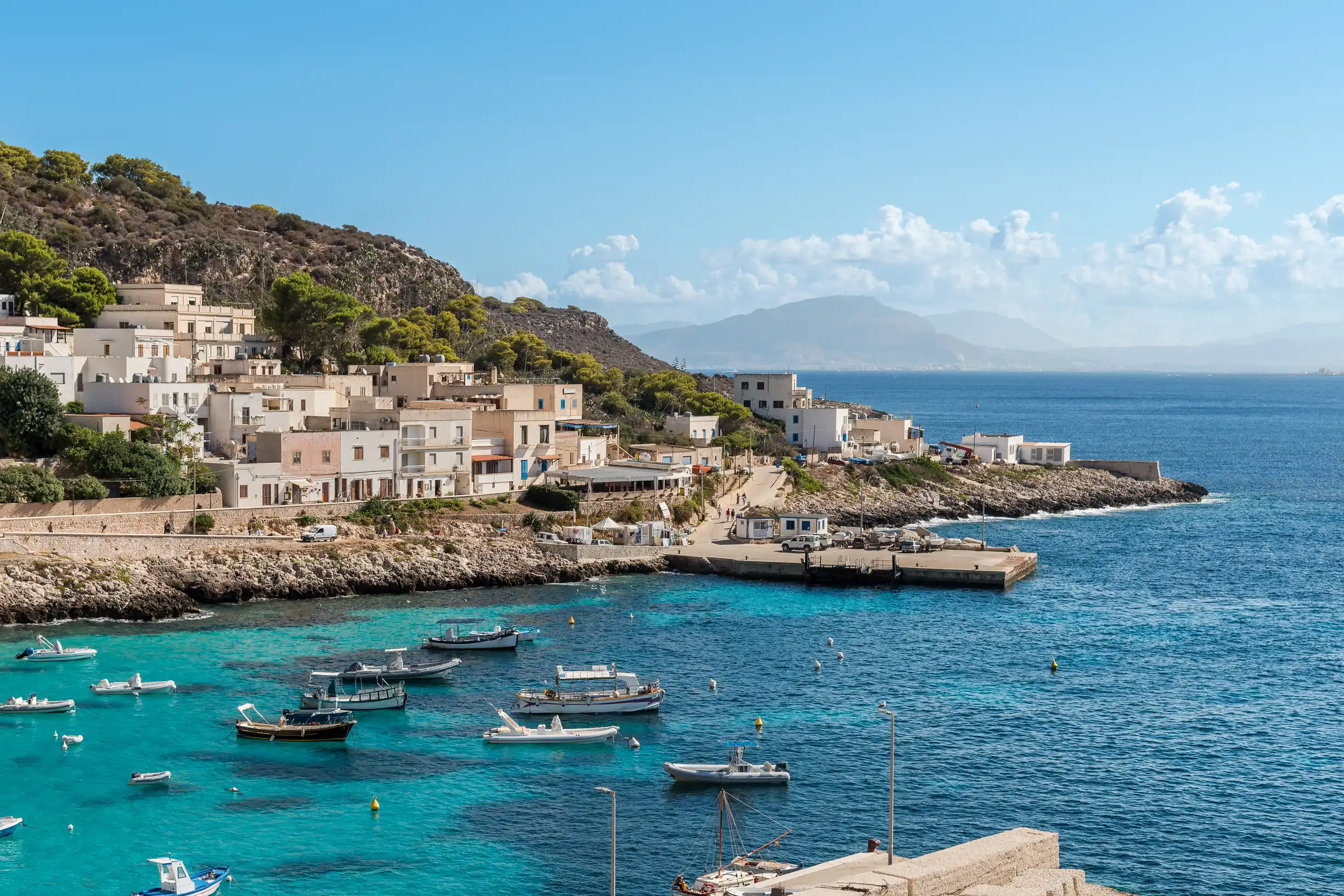
The Tremiti Islands are the only archipelago Italy has in the Adriatic, and they reward a short trip more than almost anywhere on this coast. Three or four days by catamaran from Vieste or Termoli is enough to see San Domino, San Nicola and the bare ridge of Cretaccio, swim in caves the ferries never reach, and anchor off while the August day-trippers go home on the last boat.
That last point is the whole case for Tremiti islands sailing. The islands get busy with people who arrive by ferry for the day, but the crowds are gone by early evening — and the best swimming spots are reached by water, not by the limited island paths. With your own boat you flip the schedule: quiet mornings, the islands to yourself at dusk, and a night at anchor in water that turns silver under the stars.
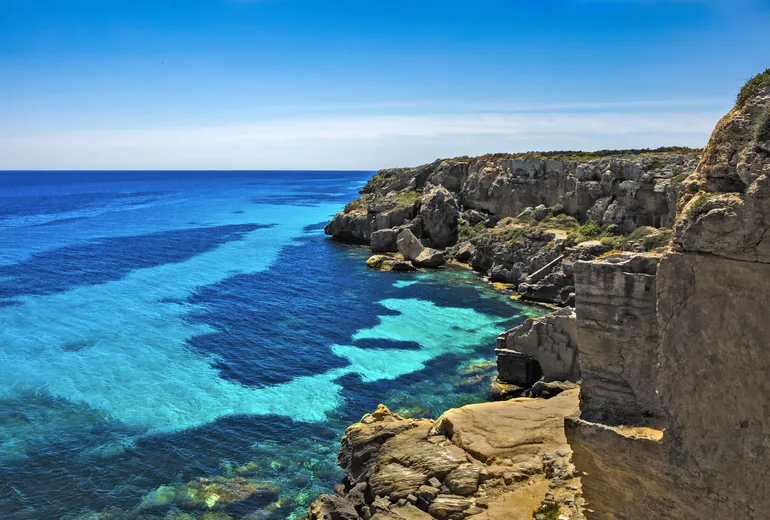
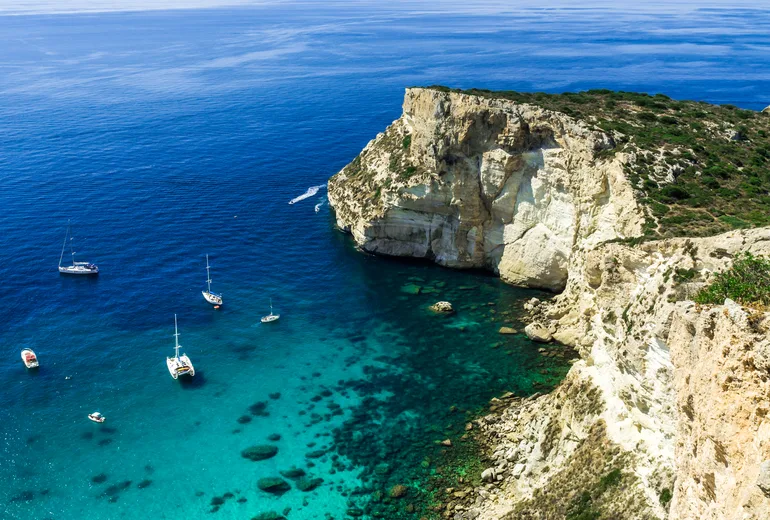
These are limestone islands fringed with pine, sitting about 12 nautical miles off the Gargano headland. The whole group is a marine protected area, part of the Gargano National Park, and the water clarity is the best on the Italian Adriatic. There are sea caves, natural arches and small pebble coves all around San Domino, and the human history — a medieval abbey-fortress on San Nicola, a legend that Diomedes is buried here — gives the place a depth that pure beach destinations lack.
For a catamaran crew the appeal is the combination: short crossing, shallow draught that gets you into the coves, and an archipelago compact enough to circle in a couple of days without rushing. It is the rare Italian island group that genuinely suits a long-weekend mini-cruise.
Two mainland bases make sense. Vieste, on the Gargano peninsula, is the closer launch in spirit and a fine destination in its own right, with its old town stacked above the sea and the famous Pizzomunno sea stack on the beach. The crossing from the Gargano coast to the Tremiti is around 12 nautical miles of open Adriatic — count on two to three hours under power in settled conditions.
Termoli, further up the Molise coast, is the other common springboard and has a walled old town worth an evening before you set off. From here the hop is a little longer. Either way, you want a stable weather window: the Adriatic can build a short, sharp chop quickly when the wind turns, and the crossing is exposed. Most crews find the morning the calmest time to go.
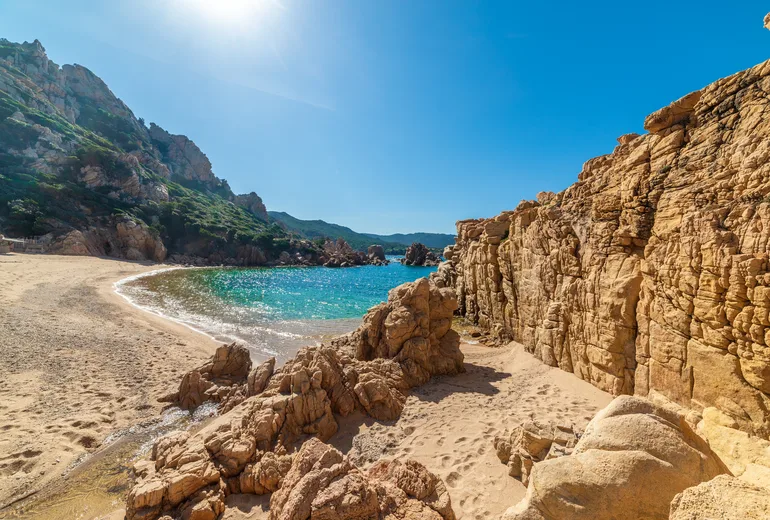
Make the crossing early and arrive at San Domino, the largest and greenest island, by lunch. Anchor off Cala delle Arene, the only proper sandy beach in the group, or tuck into one of the western coves. The afternoon is for the sea caves along the southwest shore — the Grotta del Bue Marino, the old monk-seal cave, is the headline, best entered by tender or dinghy when the swell is down. Other caves worth nosing into are the Grotta delle Viole, named for the violet light that filters through it in the right conditions, and the smaller cavities along the south coast that you can swim into from the boat.
San Domino itself is the only island with proper visitor facilities — a cluster of houses, a few restaurants and a handful of dive operators, all wrapped in the Aleppo pine forest that gives the island its scent. There is no rush on day one; the point of arriving early is to be on the water for the caves while the light is good and the day boats are still arriving, then to settle in for the first quiet evening once they leave.
Slip across the narrow channel to Cretaccio, the uninhabited clay-coloured ridge between the two main islands, and on to San Nicola. This is the historic heart: walk up to the fortified Abbazia di Santa Maria a Mare, a medieval monastery-fortress with views back across the channel. Anchor in the protected water between San Nicola and San Domino, which gives shelter in most summer conditions and puts both islands within tender range.
Spend a full day working slowly around San Domino’s coast — the Architiello natural arch off the eastern tip, the Cala Matano and the string of grottoes along the southern shore — stopping wherever the water tempts you. This is the day the boat earns its keep: you swim where no path leads, lunch on the hook, and watch the last ferry pull out for the mainland around five, taking the crowds with it.
If anyone aboard dives or snorkels, this is the place for it. The Tremiti’s protected status has kept the fish life dense, and there is a submerged statue of Padre Pio set on the seabed off San Domino that has become a small pilgrimage site for divers. Even from the surface with a mask, the visibility here often runs to twenty metres or more — better than almost anywhere else on the Adriatic side of Italy. End the day back in the channel anchorage as the light goes gold on the abbey walls of San Nicola.
Time the crossing back to Vieste or Termoli for a calm morning. If you have the day, break the return with a stop along the Gargano coast, where the limestone is riddled with caves of its own near Vieste.
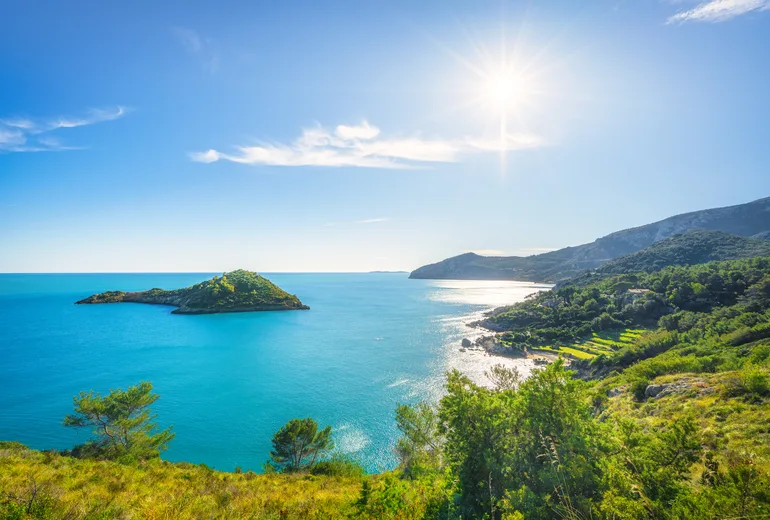
The Tremiti are a protected area, so the seabed rules matter as much as anywhere in Italy. There are zones where anchoring is restricted and mooring buoys are provided, and you should expect a marine-park access or mooring fee in season — budget a modest daily charge per boat. Drop only on sand, never on seagrass, and use the buoys where they exist. The same reading-the-water discipline we cover in our guide to spotting Posidonia and anchoring legally applies directly here.
The sheltered channel between San Nicola and San Domino is the most reliable overnight spot, holding well on sand and protected from most summer winds. The western coves of San Domino are lovely by day but exposed if the wind backs into the west, so keep an exit in mind. There is a small port on San Domino for supplies and water, but provisioning is far better done on the mainland before you leave — stock up properly in Vieste or Termoli.
Eating on the islands is simple and fish-led. The handful of trattorie on San Domino do the local catch, and Adriatic seafood here means spaghetti alle vongole, grilled fish straight off the day boats, and the Puglian and Molisan staples from the mainland — burrata, taralli, a cold Verdeca or Bombino from the Gargano vineyards. A speciality to look for is the local way with the day’s fish, often baked simply with island herbs and the good Puglian olive oil. Do not expect a nightlife scene; the Tremiti reward an early dinner and a night at anchor far more than a late one ashore. That, in the end, is the whole character of the place — it asks you to slow down to its rhythm, and the crews who do are the ones who leave wanting to come back.
If the Adriatic suits you, the heel of Italy has more in the same vein. Our guide to Santa Maria di Leuca’s base ports and sea caves covers the southern Puglian coast, and the wider roundup of the best anchorages around Italy places the Tremiti in context against the rest of the country’s coves.
For a short trip, genuinely yes. The Tremiti pack caves, history and the clearest Adriatic water into an archipelago you can circle in a long weekend, and the day-tripper rhythm means the islands hand themselves over to boat crews in the evening. The one caveat is the crossing: this is open Adriatic water, exposed to a wind that can rise fast, so build your trip around a settled forecast rather than fixed dates. Get the weather window right and few short cruises in Italy feel as much like an escape.
Three to four days is the sweet spot. That gives you a calm crossing each way, a day exploring San Domino’s caves, a day for San Nicola and Cretaccio, and a full day to circle and swim. Less than three feels rushed once you account for the open-water passage.
Vieste on the Gargano peninsula and Termoli on the Molise coast are the two natural springboards. The crossing from the Gargano is around 12 nautical miles, roughly two to three hours under power in settled conditions. Both towns are worth an evening before you sail.
No — the islands are a marine protected area with restricted zones, mooring buoys and a seasonal access or mooring fee. Anchor only on sand, use the buoys where provided, and treat the seagrass rules seriously. The channel between San Nicola and San Domino is the most reliable overnight spot.
By day, yes — ferries bring day-trippers from the mainland. But the crowds leave on the last afternoon boat, so a catamaran crew gets quiet mornings and near-empty islands at dusk. The best swimming coves are reached by water anyway, which keeps you ahead of the foot traffic.
It can be. This is open Adriatic, exposed to wind that builds a short, sharp chop quickly. In a settled summer window the passage is comfortable, but you should plan around the forecast and favour a calm morning rather than committing to a fixed departure day.
Tempted by Italy’s secret Adriatic archipelago? Browse our catamaran charter destinations in Italy and we will help you base the trip where the Tremiti crossing works best for your dates.