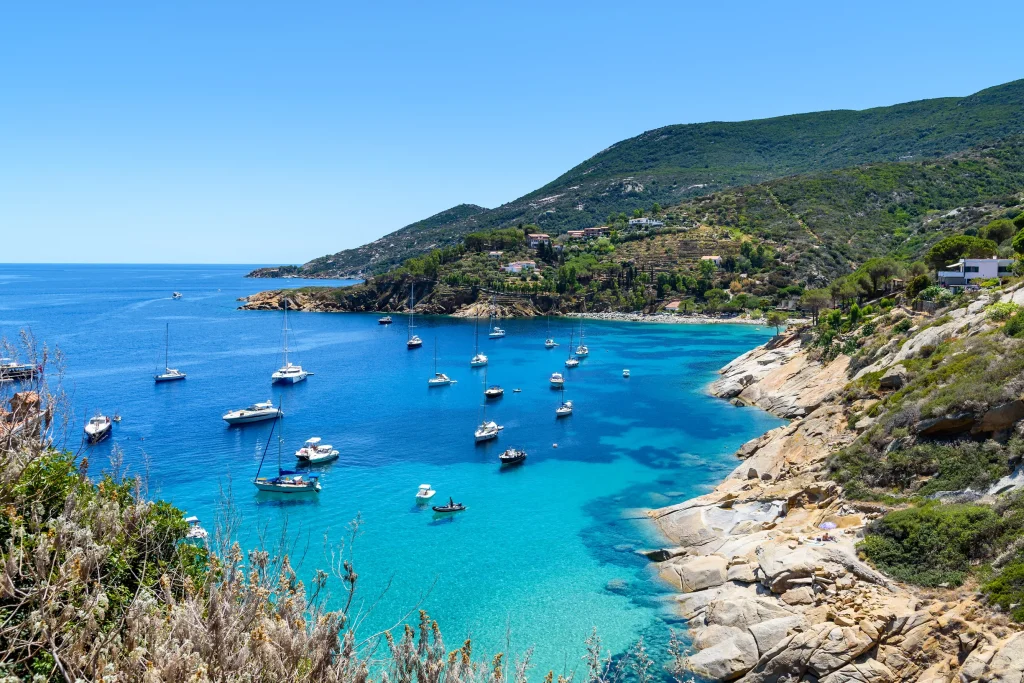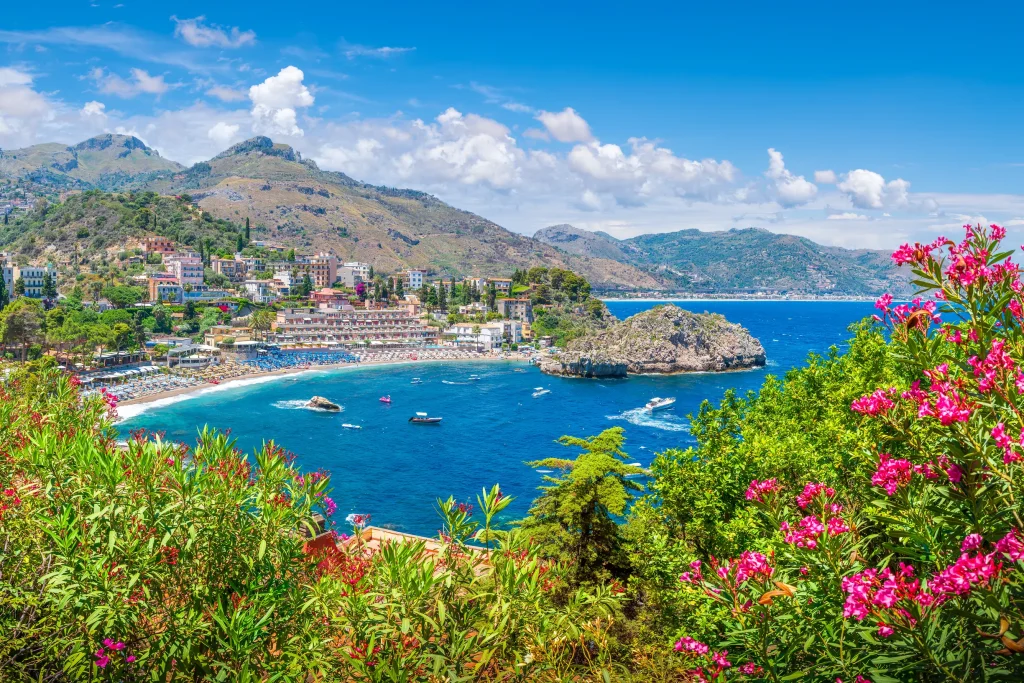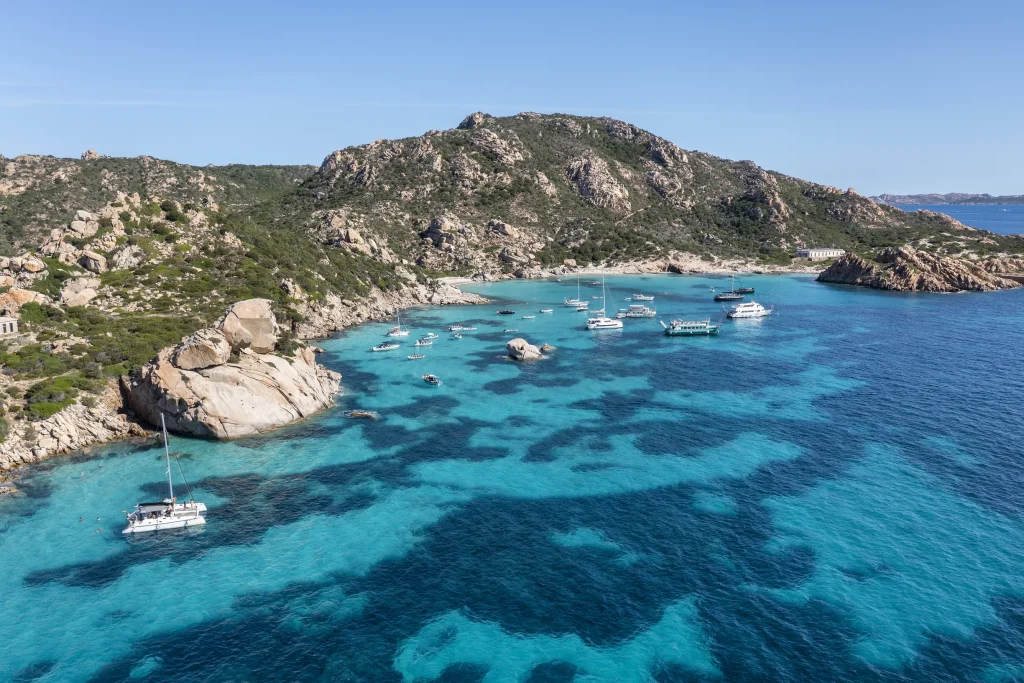
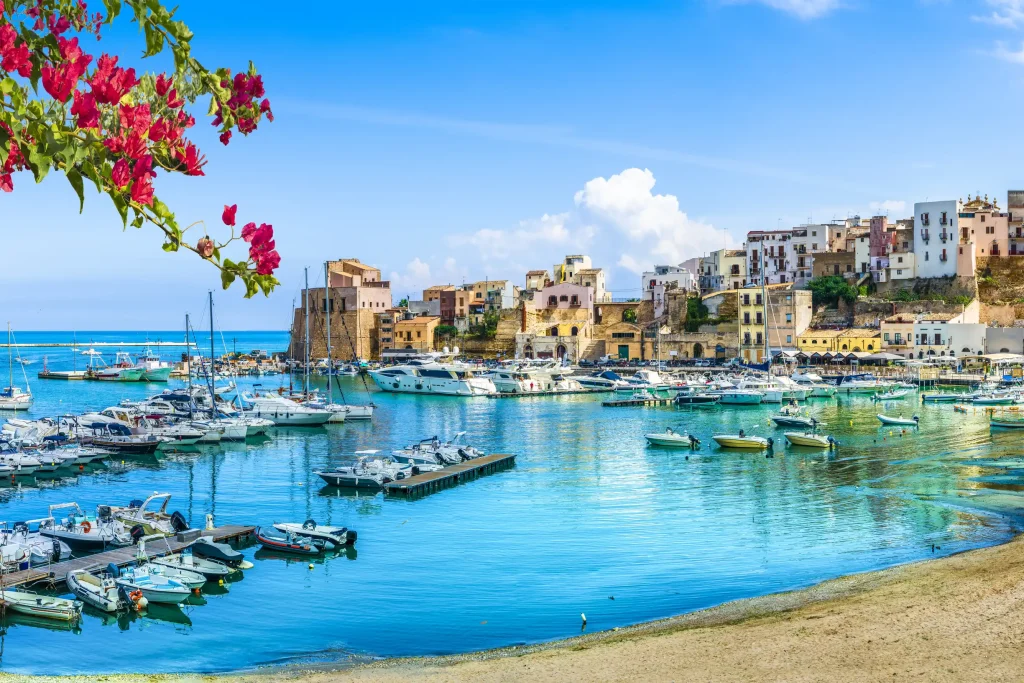
Sicily Charter Bases Compared: Portorosa vs Palermo vs Trapani vs Riposto for 2027
Portorosa, Palermo, Trapani or Riposto — your starting marina decides whether you sail the Aeolians, the Egadi or Etna’s coast.
Read more

The first number people quote when comparing Italy vs Croatia vs Greece sailing is VAT: 22% in Italy, 13% in Croatia, 12% on Greek charters from Greek ports. On paper Italy loses before the conversation starts. In practice, that headline tells you almost nothing about what the holiday actually costs.
VAT is one line on a bill that also includes the net charter rate, marina fees, fuel, the skipper if you take one, and how busy your chosen week is. Add those up and the rankings shuffle. Here’s an honest, our-side-of-the-fence look at when each country genuinely wins — and the cases where Italy quietly comes out cheaper despite the tax.
Charter VAT is levied on the base price of the boat. So on a €10,000 bareboat week the tax difference between Italy and Croatia is real money — roughly €2,200 versus €1,300, a €900 gap. Greece sits close to Croatia. If two identical boats were priced identically before tax, Italy would simply be dearer.
They rarely are. Net charter rates differ by country, by fleet age, and by how saturated the market is. Croatia has the largest charter fleet in the Mediterranean, which keeps competition fierce on mid-range monohulls — but catamarans specifically are scarcer and command a premium there. Greece spreads its fleet across the Ionian, the Saronic and the Cyclades. Italy’s fleet is smaller and more boutique, and that shapes pricing in ways the VAT line can’t show.
For a modern 42-foot catamaran in high season, expect roughly €7,000–11,000 a week bareboat across all three countries, with overlap in the middle. Croatia’s catamarans often sit at the upper end of that band because demand outstrips a relatively thin cat fleet. Greek cats out of Athens-area bases are competitively priced thanks to volume. Italian rates vary most by region — Sardinia in August is a different market from Sicily in June.
The point is that the pre-tax rate swings by far more than the VAT difference. A €1,500 swing in base rate dwarfs a €900 VAT gap. So the country with the lower tax can still finish more expensive if its boats are priced higher to start. Our detailed Italy catamaran charter cost breakdown shows how much Italian rates move region to region — which is exactly the lever that closes the VAT gap.
This is where Croatia’s reputation quietly slips. Marina berths in peak Croatian season — ACI marinas and the popular town quays — are among the priciest in the Mediterranean, often €100–250 a night for a catamaran, and beam-heavy cats pay more because berths are sold by width. Anchoring is freer, but the busy bays increasingly run paid mooring buoys.
Greece is generally cheaper to stop. Many island quays are still low-cost or free, though that’s tightening, and anchoring in the Ionian is genuinely relaxed. Italy sits in between: marinas in Sardinia’s Costa Smeralda are eye-watering, but plenty of Sicilian and Aeolian anchorages cost nothing, and you can build a week that barely touches a paid berth.
Over a seven-night trip, berth choices can swing the total by €500–1,000. A crew that anchors most nights in Italy can undercut a crew that marina-hops in Croatia, VAT notwithstanding.
There’s a behavioural angle too. Croatia’s cruising culture leans toward town quays — the appeal is tying up under a Venetian bell tower and stepping straight into a konoba. Italy’s island grounds, especially the Egadi and the Aeolians, reward anchoring, with safe sand holding and coves you’ll often have to yourself by early evening. So the country that looks pricier on tax can end up cheaper on habit, simply because of how you naturally spend your nights there.
The biggest value gap isn’t between countries — it’s between seasons. June and September across all three are calmer, quieter and noticeably cheaper than the August peak. But Italy’s shoulder season is unusually generous because its summer crowds are concentrated in a few honeypots (Capri, the Costa Smeralda) while the wider coast empties out.
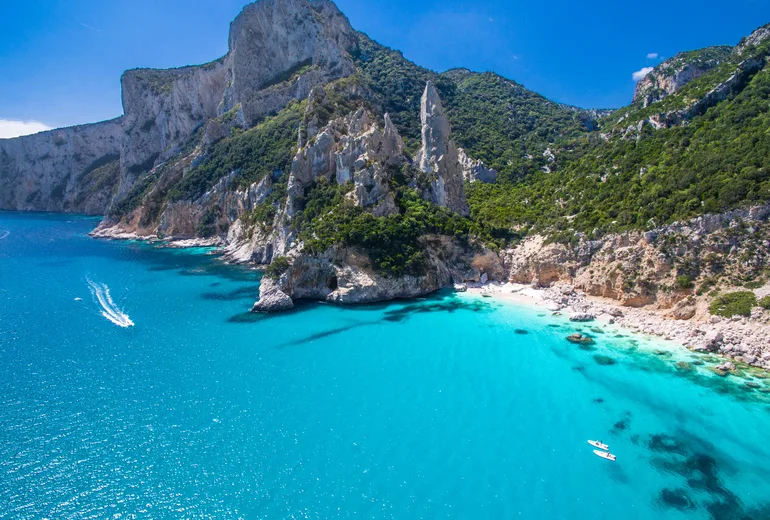
Sail Sicily’s Egadi Islands or Sardinia’s southern coast in mid-September and you’ll find warm water, settled weather and rates 20–30% below peak — a genuine bargain that erases the VAT disadvantage and then some. Croatia and Greece offer shoulder savings too, but Croatia’s September can already feel cool in the north, and Greece’s Cyclades stay windy with the Meltemi well into the month.
You want short hops between islands, lots of marina infrastructure, and a fleet so deep you can book late. The 13% VAT plus volume pricing on monohulls makes it the value pick for larger sailing-yacht groups — less so for catamaran-specific crews, who pay the cat premium and the high berths.
You prize relaxed anchoring, low mooring costs and a long sailing season. The Ionian is gentle enough for newer crews; the Cyclades reward experienced ones who can handle the Meltemi. If you’re weighing the Greek option specifically, the team at Catamaran Charter Greece covers those cruising grounds in depth.
You want dramatic, varied scenery — volcanoes, baroque towns, the Amalfi cliffs — and you’re willing to anchor and sail the shoulder season. That combination beats the VAT line. Italy also wins for food-led trips: the gap between a Sicilian fishing-village dinner and a Croatian tourist menu is wide, and it’s part of the holiday’s value.
For a realistic example, picture a 42-foot catamaran, seven nights, four to six guests. In peak August, Croatia and Italy land within a few hundred euros once you factor Croatia’s higher berths against Italy’s higher VAT; Greece often comes in a little lower if you anchor. Shift the same trip to mid-September and anchor most nights, and Italy frequently becomes the cheapest of the three — the opposite of what the tax table predicts.
Don’t forget the soft costs either. Flights and transfers vary a lot: Split and Dubrovnik are well served from across Europe, Athens is a major hub, and Italian charter bases like Olbia, Catania and Palermo are easy to reach but can be pricier in peak weeks. Food and drink also tilt the maths — provisioning and eating ashore in Sicily or Sardinia generally costs less, and tastes better, than the equivalent in a Croatian marina town. None of this shows up in the VAT comparison, which is exactly why the tax rate alone is a poor guide to the bill you’ll actually pay.
If 2027 is on your radar, the practical move is to price a real itinerary in each country rather than trusting the VAT shorthand. Our guide to 2027 Italy catamaran charter booking covers when the best Italian boats open up and how early demand is shaping rates.
Not necessarily. Italy’s 22% VAT is higher, but Croatia’s catamaran base rates and peak marina berths are often steep enough to close or reverse the gap. Anchor-heavy itineraries in Italy’s shoulder season frequently come out cheaper than a marina-hopping week in Croatia.
Greece, at 12% for charters starting from Greek ports, edges out Croatia’s 13%. Italy is highest at 22%. But VAT applies only to the base boat price, so it’s one factor among several rather than the deciding one.
Greece is generally the most relaxed and low-cost for anchoring, with Italy close behind in many regions. Croatia has the highest concentration of paid berths and mooring buoys in busy bays, which is why marina-heavy Croatian trips can add up quickly.
Greece’s Ionian and Italy’s sheltered island groups (the Egadi, the calmer Aeolian coves) both suit newer crews. Croatia’s short inter-island hops are also forgiving. Match the cruising ground to your experience rather than picking by tax rate.
Want to see how an Italian itinerary actually prices out for 2027? Compare boats and regions on our Italy catamaran charter destinations page and we’ll build a real quote to set against Croatia or Greece.
Your privacy
You can read more about how we protect your personal data and use cookies in our Privacy Policy.
With your consent, we and Google use cookies and similar technologies to store and access information on your device and to process personal data such as your visit to this website, your IP address and cookie identifiers. You can withdraw your consent at any time through “Cookies” at the bottom of every page.
We and Google process data for:
Website analytics and visit statistics, recordings of visits to improve the website, ad measurement and remarketing, storing and accessing information on your device