Eastern Sicily 7-Day Catamaran Route: Riposto to Syracuse Under Mount Etna
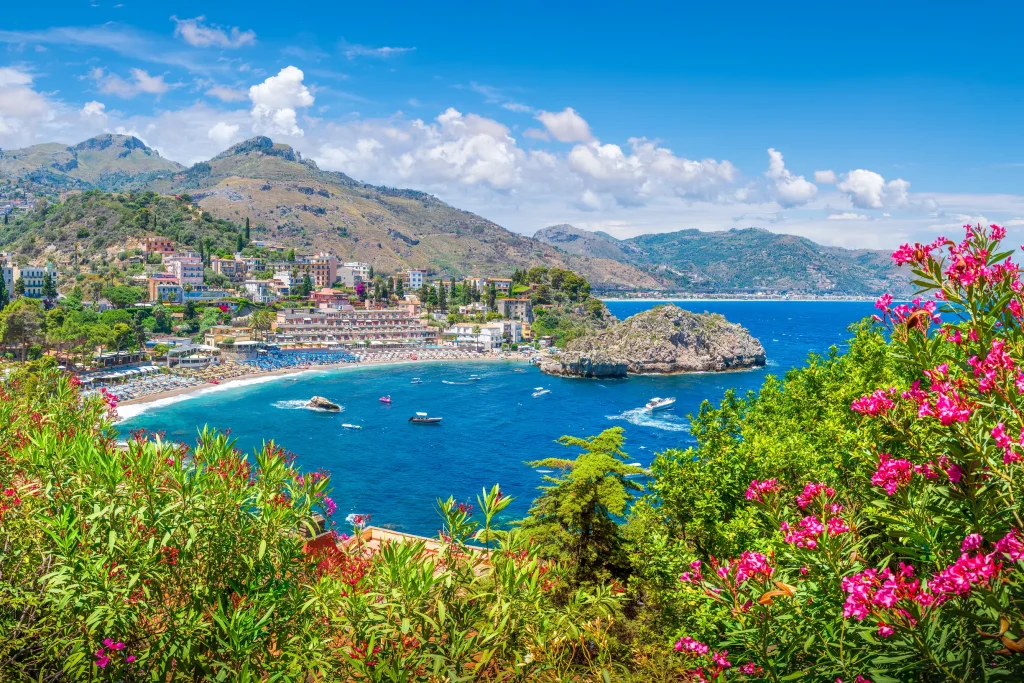
A 7-day east Sicily sailing itinerary by catamaran from Riposto to Syracuse, with Taormina, the Aci Trezza stacks and Ortigia.
Read more
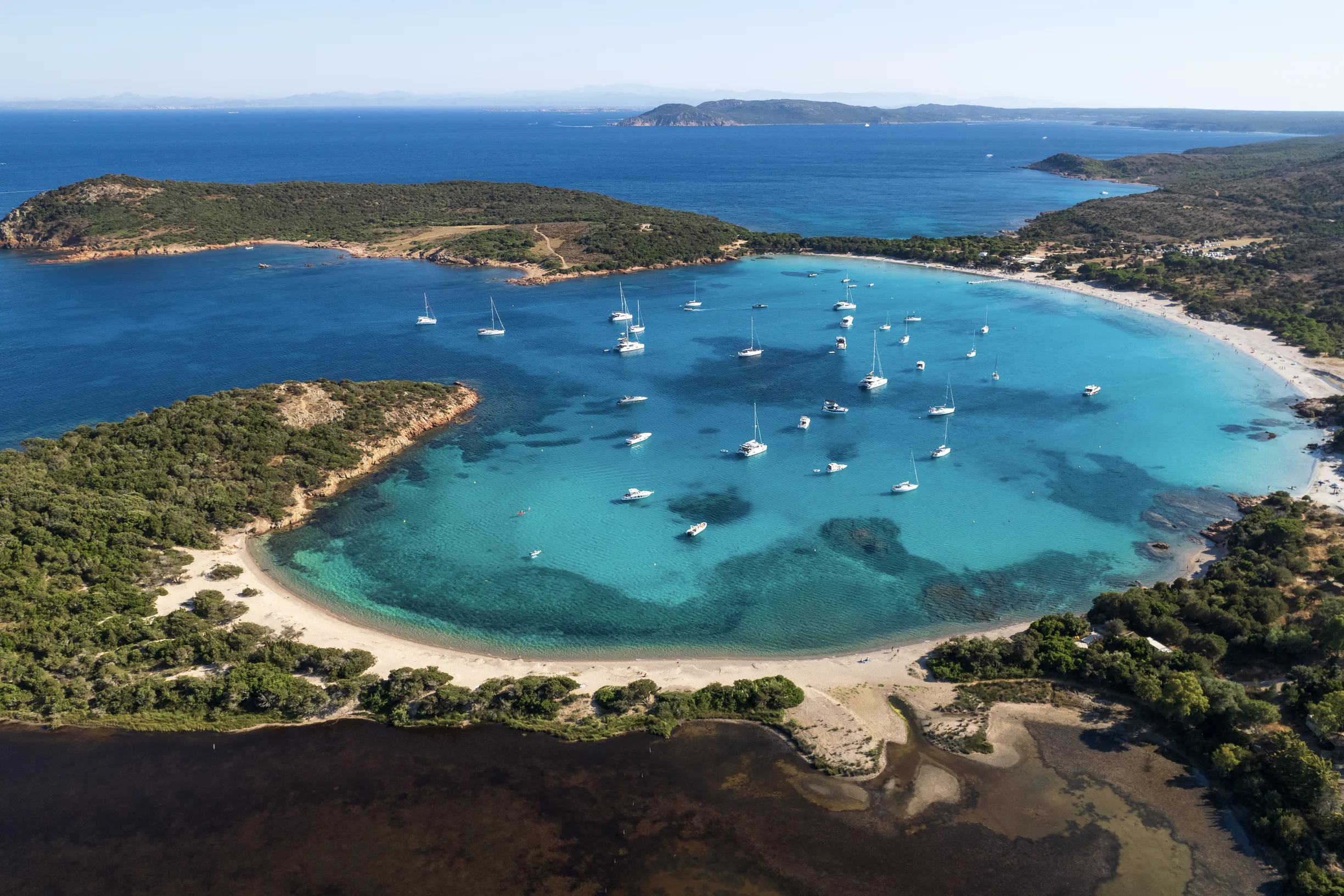
Yes, you can be fined for anchoring on Posidonia in Italy, and the penalties are no longer symbolic. Since the rules tightened, dropping your hook into a seagrass meadow inside a protected area can cost more than a week’s marina fees, and summer is exactly when enforcement peaks.
The good news is that avoiding an anchoring posidonia italy fine is mostly a matter of reading the water, and a catamaran gives you a real advantage there. From a raised helm you can see the seabed in a way a monohull skipper simply cannot. This guide covers the actual fine amounts, how patrols catch people, and the practical trick of telling sand from seagrass before the anchor leaves the bow roller.
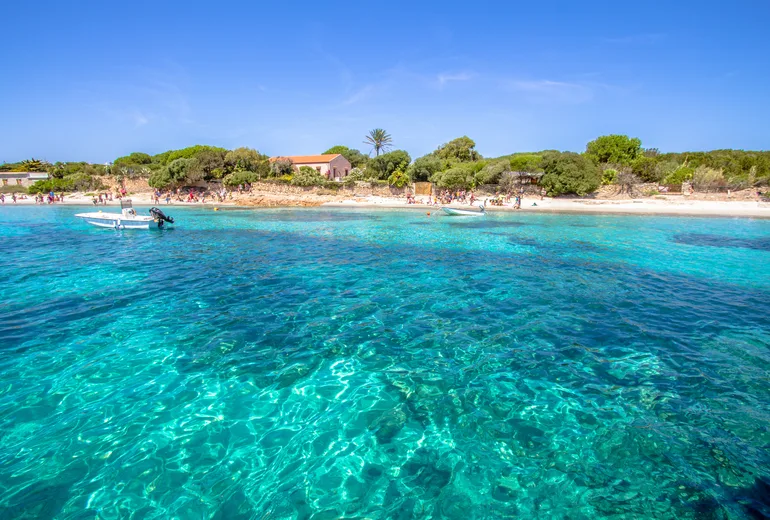
Posidonia oceanica is a slow-growing Mediterranean seagrass, not an alga, and the meadows it forms are the nurseries of the whole coastal ecosystem. They lock up carbon, stabilise the seabed and keep the water clear — which is the irony, because the clearest, most inviting anchorages are often clear precisely because there is seagrass below.
A dragging anchor and chain rip out plants that take decades to regrow, so Italy folded seagrass protection into national environmental law. Inside marine protected areas the rules are strictest, but the principle now applies broadly along the coast. The practical upshot for a charter crew is simple: dark, leafy seabed is off limits for anchoring, pale sand is your friend.
The headline numbers come from the environmental damage provisions introduced in recent years. For anchoring on protected seagrass, penalties typically run from around €1,000 at the lower end to well over €3,000, and in marine reserves the park authority can stack its own sanctions on top. Serious or repeated damage pushes the figure higher, and there have been cases of much larger penalties for vessels that tore up significant areas.
It is worth being clear that the fine is not a fixed parking ticket. The amount depends on where you are, how much damage is visible, and whether the area is a designated protected zone. But the lower bound alone — a four-figure hit — is enough that no charter holiday is improved by ignoring it.
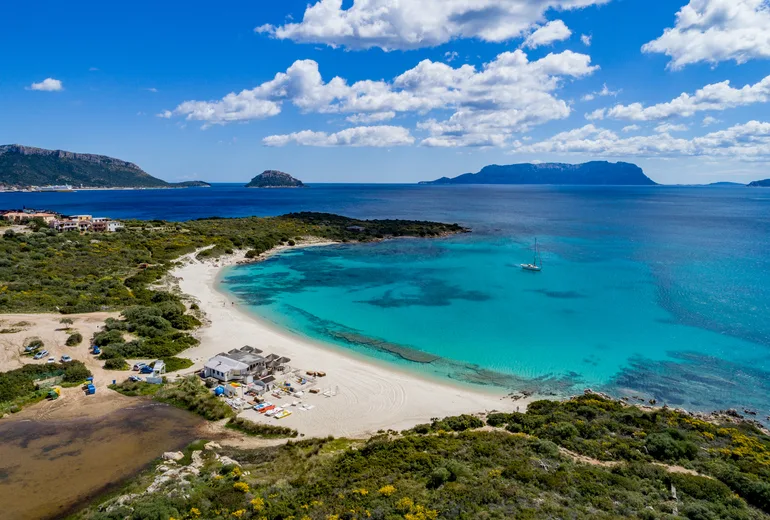
People imagine divers inspecting the seabed, but the reality is far more straightforward. In the busy reserves — Punta Campanella, La Maddalena, the Egadi, parts of the Aeolians — the Capitaneria di Porto and park rangers run RIB patrols through the popular bays, and they can read the water as well as you can. A boat sitting over obviously dark seabed in gin-clear shallows is a visible, photographable violation from fifty metres away.
Increasingly the checks are also remote. Drones, fixed cameras at known hotspots, and even satellite review of anchor scars have all featured in Italian enforcement. The pattern that gets crews fined is almost always the same: anchoring on a dark patch in clear water where there is no plausible claim it was sand. If you are caught, the penalty arrives by the book, not by negotiation.
This is where a cat earns its keep. Sit at the raised helm in good light and the seabed tells you everything.
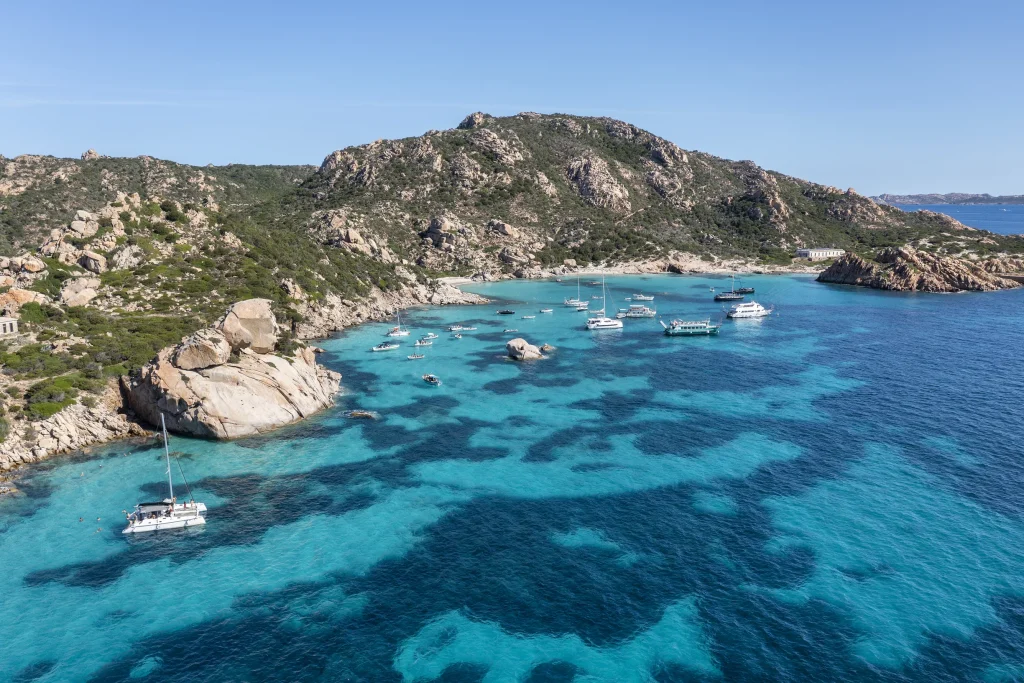
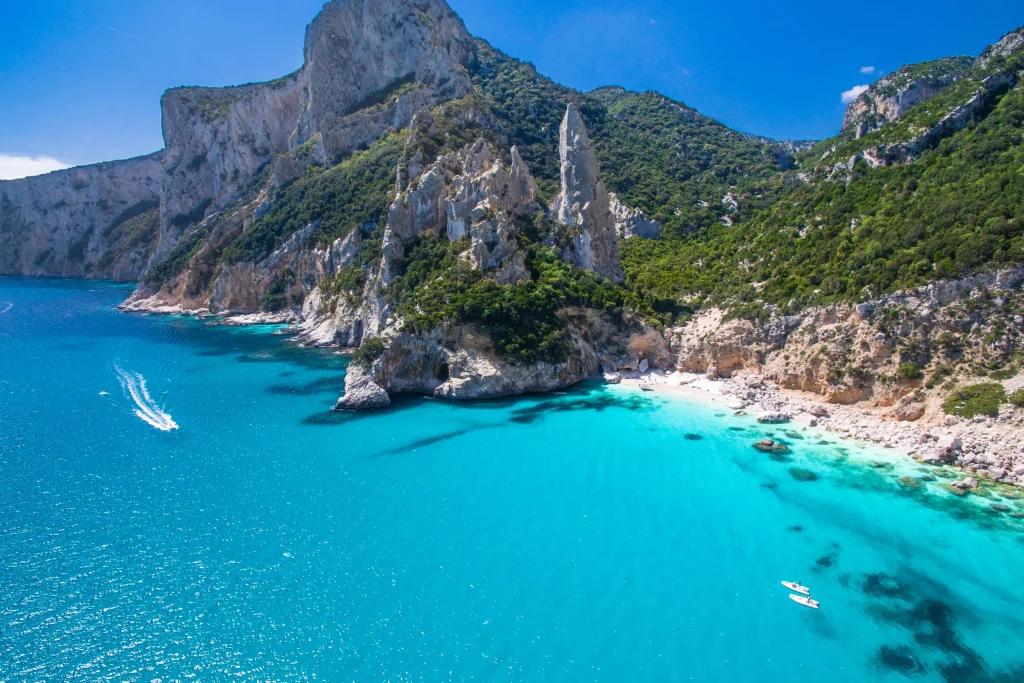
Sand reads as pale turquoise, almost luminous, with a smooth even tone. That glowing aquamarine colour everyone photographs is shallow water over clean sand, and it is exactly where you want to drop. White or honey-coloured patches between darker areas are your target.
Posidonia reads as dark — deep green to near-black — with a matte, textured surface rather than a smooth one. It often forms irregular blotches and ribbons across the lighter sand. Rock shows similarly dark but with hard edges and shadow; seagrass has a softer, fuzzier outline. The rule of thumb most crews use: if it is dark and you cannot clearly see the bottom is hard rock, treat it as seagrass and move to the pale patch.
Read the water with the sun high and behind you, ideally between mid-morning and mid-afternoon. Polarised sunglasses cut the surface glare and make the sand-and-seagrass mosaic jump out. Anchoring in flat low light or with the sun in your eyes is how good crews still get it wrong.
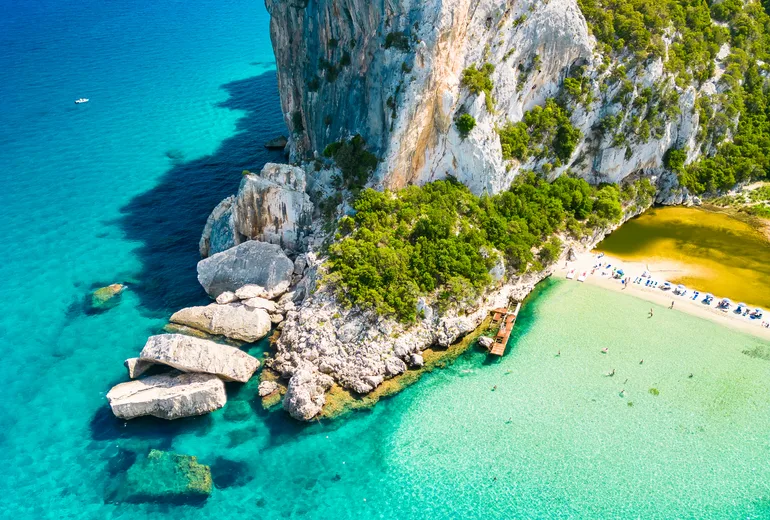
The cleanest answer is to not anchor at all where a buoy field exists. Many protected bays now have eco-mooring fields — fixed buoys you pick up for a fee, often €20–50 a night — precisely so boats stop chewing up the seabed. Using them is usually mandatory inside the reserve, and it is faster and more secure than setting your own hook anyway.
Where you do anchor, aim for a clear sand patch, drop on it, and lay your chain so it falls across sand rather than dragging into the nearest meadow. A few apps and charts now overlay seagrass coverage and protected boundaries — Posidonia and seabed-mapping layers in Navionics and the dedicated Donia-style apps are worth loading before the trip. Cross-check the app against what your own eyes see from the helm, because the mapping is a guide, not gospel.
For the bays where this matters most, our roundup of the best anchorages around Italy flags which spots have buoy fields and which still let you drop on sand. And if your week runs through the Sorrento Peninsula, the rules in our Punta Campanella marine reserve guide are some of the strictest seagrass zones you will cross.
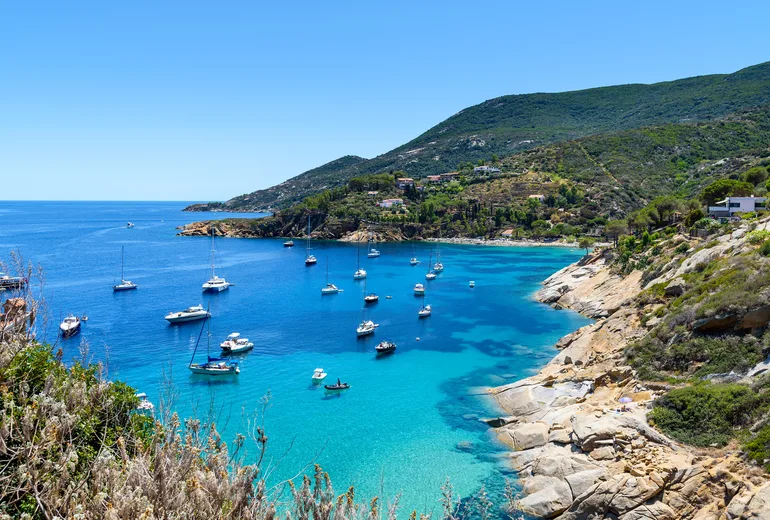
Not all Italian waters are equal. The hotspots are the marine protected areas where seagrass and tourism collide: the La Maddalena archipelago off northern Sardinia, where rangers patrol the famous coves daily in August; Punta Campanella on the Capri crossing; the Egadi Islands off western Sicily, home to some of the largest meadows in the Mediterranean; and the busier Aeolian anchorages. If you are sailing the rule-heavy north of Sardinia, the changes we cover in the 2026 La Maddalena permit and anchoring rules tie directly into where you are allowed to drop the hook.
Outside the reserves you have more latitude, but the smart habit is to anchor on sand everywhere. It protects the meadows that keep the water clear, it holds better than chain wrapped in weed, and it means you never have to think about whether a patrol is watching. A common scenario that catches crews out is the late afternoon scramble for a spot in a crowded August bay — the obvious sand patches are taken, and the temptation is to drop on the dark seabed at the edge. Don’t. Move to the next cove, or pick up a buoy. A four-figure fine is a poor trade for saving twenty minutes.
Yes. Under Italian environmental law, anchoring on protected seagrass can bring fines that typically start around €1,000 and climb past €3,000, with marine parks adding their own penalties. Summer patrols in the busy reserves make it a real risk, not a theoretical one.
Sand reads as pale, glowing turquoise with a smooth tone; Posidonia reads dark green to black with a matte, textured surface. Look with the sun high and behind you and wear polarised sunglasses. From a catamaran’s raised helm the contrast is usually obvious — drop on the pale patches only.
Inside many marine protected areas, yes — where an eco-mooring field exists you are generally required to use it rather than anchor. Fees commonly run €20–50 a night. Outside the reserves buoys are optional, but they save the seabed and often hold better than your own anchor.
Navionics carries seabed and seagrass layers, and dedicated apps in the Donia family map Posidonia coverage and protected boundaries. Use them to plan, but always confirm against what you can see from the helm before dropping, because mapping resolution varies.
The strictest enforcement is inside protected areas, but seagrass protection applies more widely, and damaging meadows anywhere can carry consequences. The safe and sensible habit is to anchor on clean sand everywhere you sail, reserve or not.
Want a route that keeps you on legal seabed all week? Explore our Italy catamaran charter destinations and we will help you plan around the buoy fields and sand anchorages that keep things simple.