May-June vs September in Italy: Best Charter Month by Region (Sardinia, Sicily, Amalfi, Aeolians)
There’s no single best month to charter in Italy. Here’s the early-summer versus September shootout for each region’s wind, water and prices.
Read more
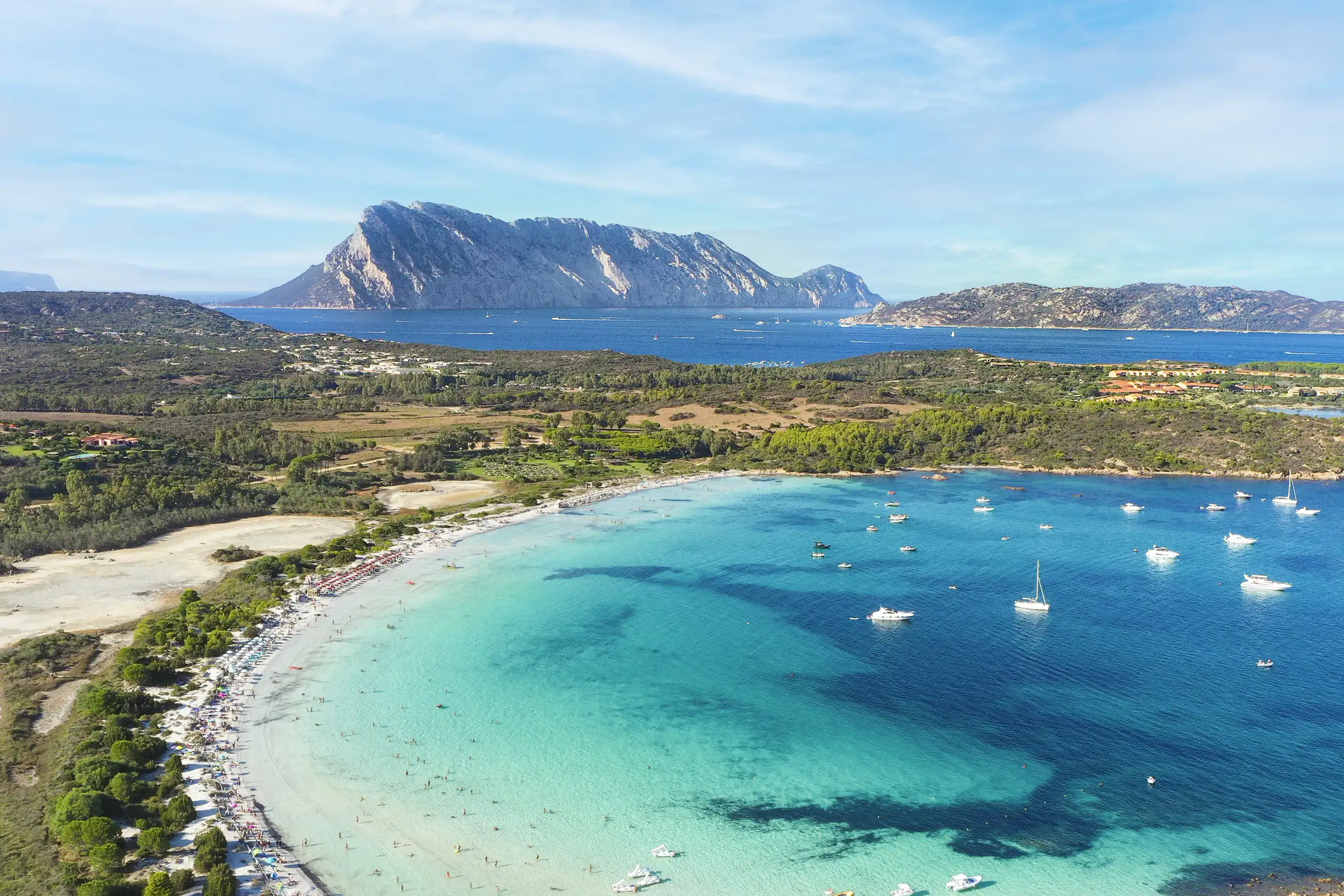
Most Italian charter talk circles the same three names: Sardinia, Sicily, the Amalfi Coast. Meanwhile, down on the heel of the boot, a Puglia catamaran charter has quietly become one of the better-value weeks in the country, before the crowds and the prices catch up to the scenery. The water off Gallipoli is closer to Caribbean blue than anything in the Tyrrhenian, and the marinas are not yet full.
That said, Puglia is not a drop-in replacement for the classic grounds, and anyone who tells you it is has not sailed the exposed Adriatic side in a fresh northerly. This is the honest guide: what makes the Ionian heel special, where the new fleets are, what it costs while it is still rising, and the distances and exposure you need to plan around.
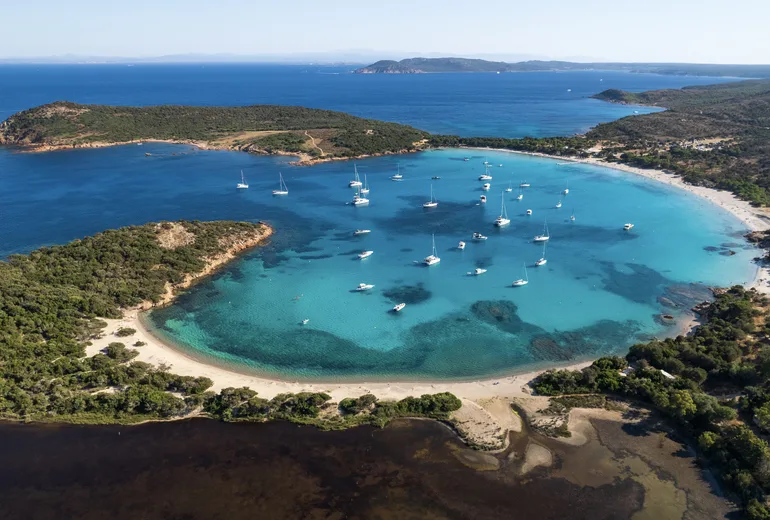
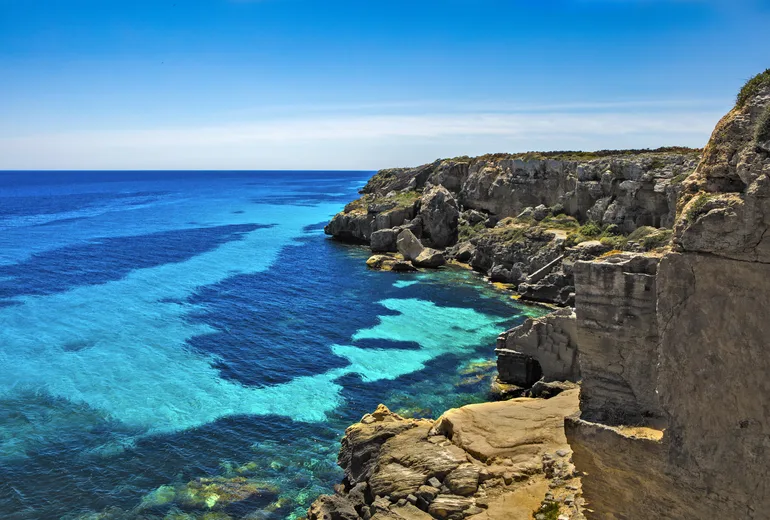
Two coasts meet at the heel. The Ionian side, facing west and south around Gallipoli and Porto Cesareo, has shallow turquoise water over white sand that genuinely rivals the famous Mediterranean blues. The Adriatic side, around Otranto and up toward Brindisi, is rockier, deeper and more dramatic, with sea caves and the limestone theatrics of Polignano a Mare further north.
The frontier feeling is real because the charter infrastructure is young. Gallipoli has added catamaran berths and fleet boats over the last few seasons, and operators are still building out the base network. That means fewer boats competing for the good anchorages, but also fewer support services than you would find in Olbia or Procida. In practice, crews who like a region before it tips into the mainstream find Puglia exactly that.
Charter rates and berth fees in Puglia still sit below the Sardinia and Amalfi benchmarks, often noticeably. A week that would cost a premium in the Costa Smeralda lands lower here, and marina nights in places like Gallipoli and Otranto run well under Porto Cervo’s eye-watering tariffs. That gap is closing as the region’s reputation grows, which is part of why it is worth sailing now rather than in five years.
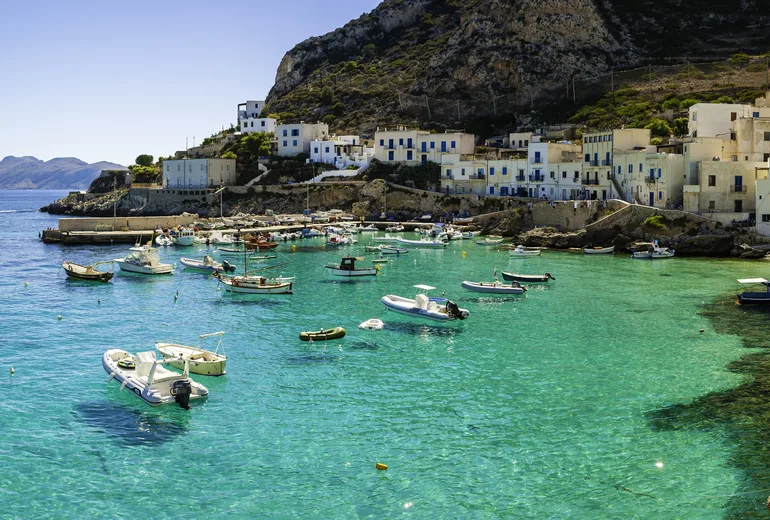
Gallipoli is the natural base for the Ionian heel. Its old town sits on a small island linked by a bridge, ringed by a working fishing harbour and a newer marina, with baroque churches and a Greek-Angevin castle anchoring the skyline. From here the cruising is gentle and shallow-water pretty, ideal for a relaxed first few days.
Head north to Porto Cesareo and the protected marine area around the Palude del Conte, where sandy shallows turn the sea pale and the anchoring is easy in settled weather. South, toward Santa Maria di Leuca at the very tip of the heel, the coast grows more rugged and the sea caves begin. Leuca itself, where the Ionian and Adriatic seas meet, is a logical pivot point; our detailed guide to Santa Maria di Leuca’s base ports and sea caves covers the southern stretch in depth.
Puglia eats well and cheaply. Gallipoli’s fish market sells the day’s catch, the local raw red prawns, gambero rosso, are eaten almost untouched, and orecchiette with cime di rapa is the regional pasta. Burrata comes from the Murgia inland, and the cheap, honest Negroamaro and Primitivo wines are made for warm evenings at anchor. Provisioning is a genuine pleasure here, with markets and fruit stands that have not yet learned to charge tourist prices, so stocking the galley for a week costs noticeably less than it would on the Costa Smeralda.
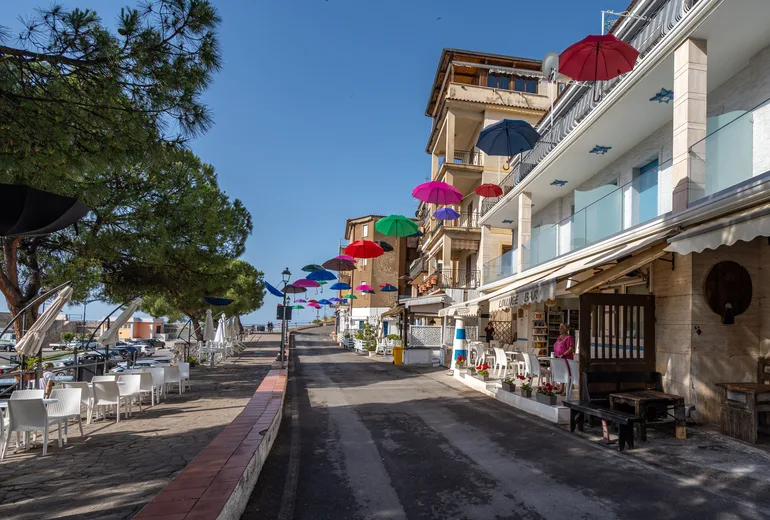
To picture how a Puglia week actually flows, here is a relaxed plan from Gallipoli that suits a bareboat or skippered cat. It keeps the longer legs short and leaves room for the slow lunches the region rewards.
Spend the first day settling in and provisioning in Gallipoli, with a sunset walk through the island old town and dinner at the fish market end. On day two, make the easy hop north to the shallows off Porto Cesareo and the Palude del Conte, anchoring over white sand for an afternoon swim. Day three turns south toward Santa Maria di Leuca, around 25 NM with stops, where the Ionian and Adriatic seas meet and the sea caves begin. Days four and five give the option to round the tip for a taste of the Adriatic side and Otranto if the forecast is settled, or to linger among the southern coves if it is not.
The honest reality is that a Puglia itinerary has to flex around wind more than a sheltered Amalfi week does. Build at least one spare day into the plan so a blustery northerly does not force a long beat at the wrong moment. Most crews find the Ionian side forgiving enough that a relaxed there-and-back week works even if the weather never lets them round Leuca, which is part of why the heel suits crews who want low-stress sailing.
Gallipoli is the main charter hub on the heel, and its catamaran offering has grown steadily as operators move boats south to meet demand. Brindisi and, further up the Adriatic, the marinas around Monopoli and Bari serve as secondary options, though the Ionian-side cruising is what most crews come for. Berths are improving but still fewer than the marquee regions, so reserving marina nights in July and August is wise rather than assuming a free pier.
Getting there is straightforward. Brindisi airport is the closest gateway to Gallipoli, roughly an hour by road, with Bari a longer but well-connected alternative. The short transfer is part of Puglia’s appeal: you are at the boat quickly and the region feels less trodden the moment you arrive. If you have questions about a specific base or boat for the heel, our charter team in Italy can point you to the operators putting cats on the water in Gallipoli.
Round the heel to the Adriatic and the character flips. Otranto is the easternmost town in Italy, a walled port with a Norman cathedral whose floor is one vast medieval mosaic, the Tree of Life, laid down in the twelfth century. The water here is deeper and bluer, the coast cut with grottoes, and the run north toward the Alimini lakes and Torre dell’Orso passes some of Puglia’s best-known cliffs and coves. Anchor below the Baia dei Turchi, where the limestone glows pale against the blue, and you get the Caribbean comparison people throw around the region without much exaggeration.
This side is more committing. The Adriatic is open to the north and a fresh tramontana or bora-influenced northerly can build a short, awkward sea quickly, so passages along this coast want a settled forecast. Anchorages are also more exposed than the sheltered Ionian shallows, which is why many crews spend their gentler early days on the Gallipoli side and venture round to Otranto only with a good window.
For the adventurous, the Adriatic side opens toward the Tremiti Islands far to the north, Italy’s only Adriatic island marine reserve, though that is a serious passage and usually a separate trip rather than a heel-week add-on. If the offshore-island idea appeals, our guide to a Tremiti Islands catamaran mini-cruise lays out that archipelago from its own northern bases.
Puglia’s heel is compact on the Ionian side: Gallipoli to Santa Maria di Leuca is roughly 25 NM, an easy day with stops, and the Porto Cesareo shallows are within a comfortable hop north. The honest catch is that a there-and-back week on the Ionian alone can feel short on variety, while linking it to the Adriatic side adds the rounding of Leuca and the open-coast exposure that comes with it.
So plan realistically. A relaxed week suits the Ionian side with a possible push round to Otranto if the weather cooperates. A bareboat crew should be comfortable with open-water passages and an exposed anchorage or two if they want the full heel. Berth availability is improving but still thinner than the marquee regions, so reserve marina nights ahead in July and August rather than assuming a free pier.
The pay-off for that bit of extra planning is a region that still feels like a discovery. You can drop the hook off a white-sand shallow with only a few other boats in sight, eat a plate of raw red prawns for the price of a coffee on the Costa Smeralda, and watch a baroque old town light up at dusk without queuing for any of it. For crews willing to trade a little polish for that, Puglia is the most rewarding charter week in Italy right now.
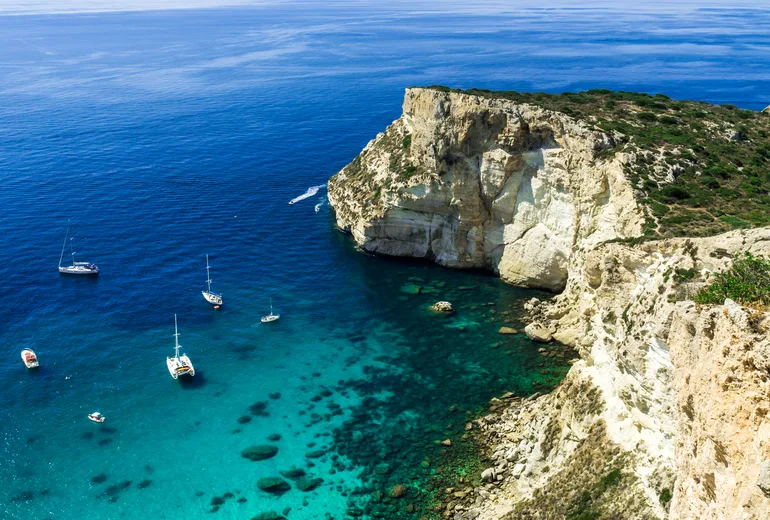
Yes, especially on the Ionian side around Gallipoli, where shallow turquoise water and easy anchoring suit a relaxed week. It offers pre-boom pricing below Sardinia and Amalfi levels. The main caveats are thinner charter infrastructure and the more exposed Adriatic coast around Otranto.
Gallipoli is the natural base for the Ionian heel, with a growing number of catamaran berths and gentle nearby cruising. From there you can sail south to Santa Maria di Leuca or round the tip to Otranto on the Adriatic side when the weather allows.
It is more committing. The Adriatic is open to the north, so a fresh northerly can build a short, awkward sea, and anchorages around Otranto are more exposed than the sheltered Ionian shallows. Many crews keep their gentler days on the Gallipoli side and cross to Otranto only with a settled forecast.
It is generally cheaper, both on charter rates and marina fees, because the region is still emerging. Berth nights in Gallipoli and Otranto run well below Porto Cervo tariffs, though the gap is narrowing as Puglia’s reputation grows.
Curious about sailing the heel before everyone else does? Explore boats and routes on our Italy catamaran charter destinations page and plan a Puglia week while the prices are still kind.