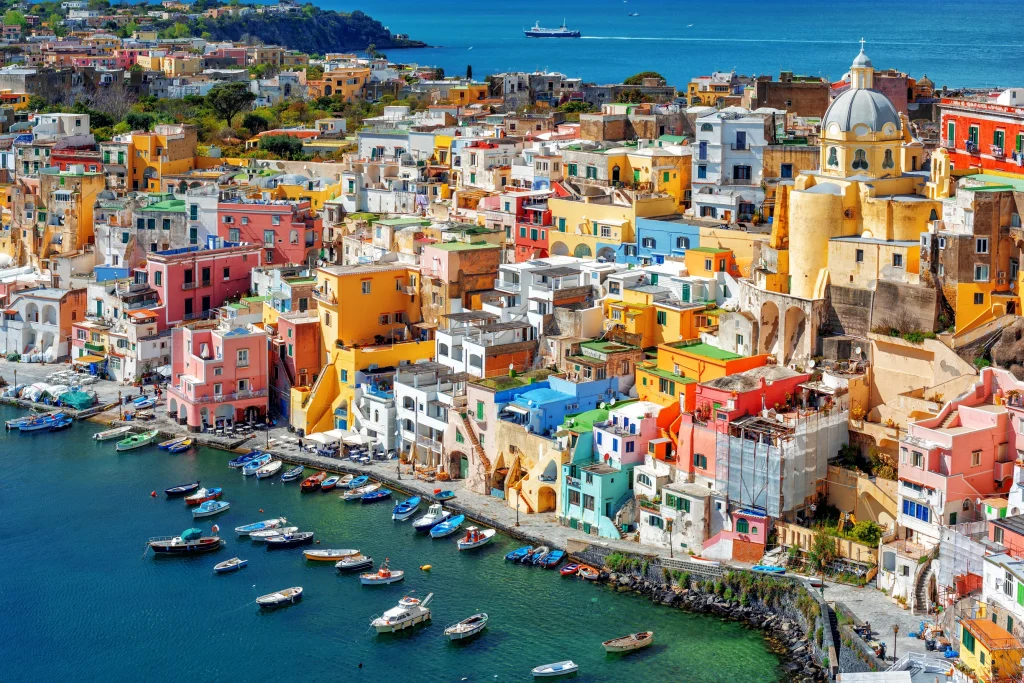
Procida & Ischia by Catamaran: Skip Capri, Save Hundreds, Dodge the Crowds
Skip Capri’s crowds and prices: Procida and Ischia by boat deliver pastel harbours, swim-to thermal springs and far cheaper moorings in the Gulf of Naples.
Read more
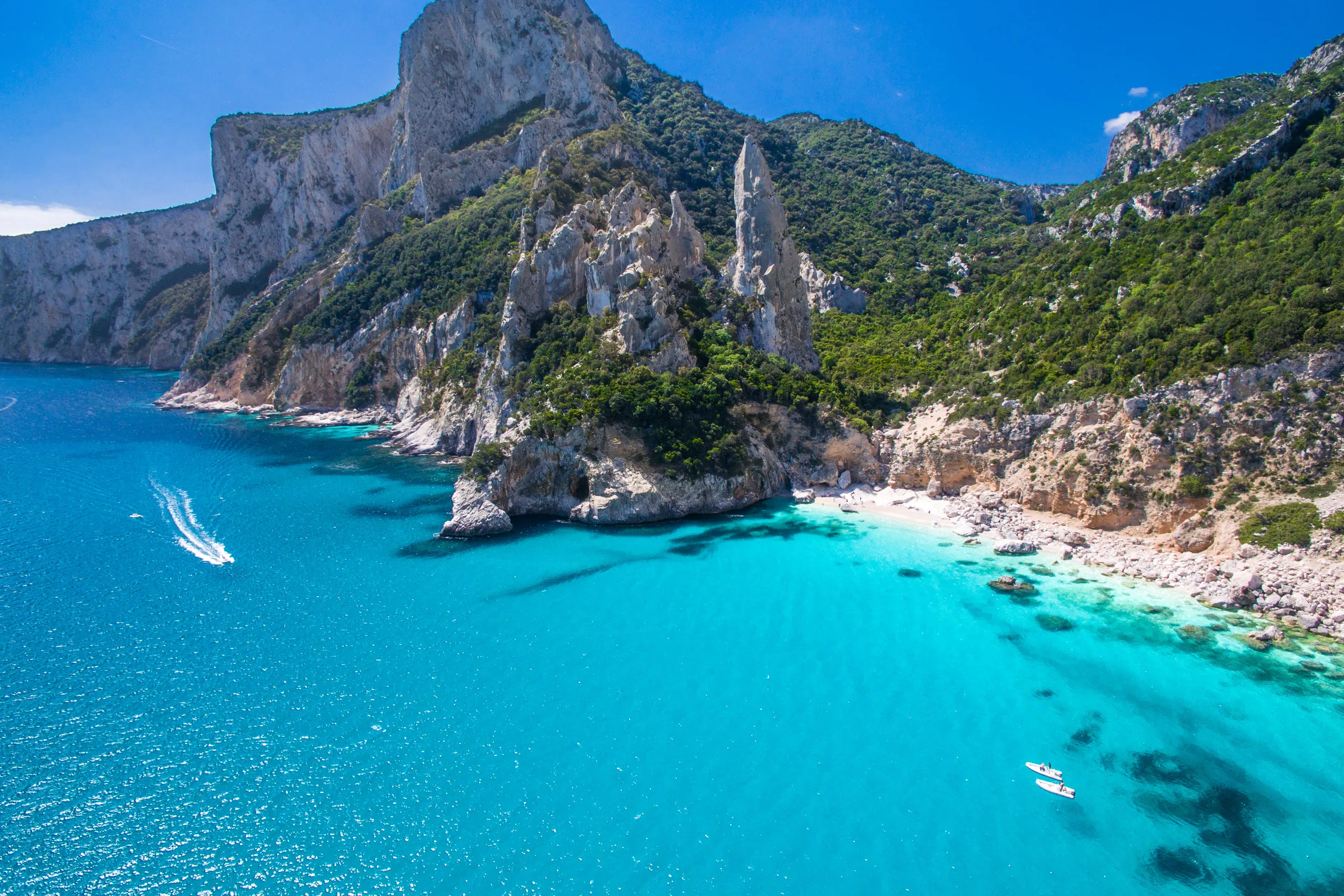
The cliffs of the Gulf of Orosei are the kind of coastline people fly across the world to see, yet most charterers only ever reach them on a packed day-boat from Cala Gonone. Do the gulf of Orosei by boat over a full week and the calculus flips: you arrive at Cala Mariolu or Goloritzé in the early morning, swim before the gulet fleet shows up, and have the limestone amphitheatres mostly to yourself.
This is a one-way-in, one-way-out cruise rather than a loop. The coast runs roughly 40 nautical miles between the marina towns of the north and the southern reach near Arbatax, and nearly all of it is sheer rock with no all-weather shelter. That makes the route as much about reading the wind as ticking off coves. Here is a workable seven-day plan from Olbia, the anchorages that matter, and the honest catch about swell that the brochures skip.
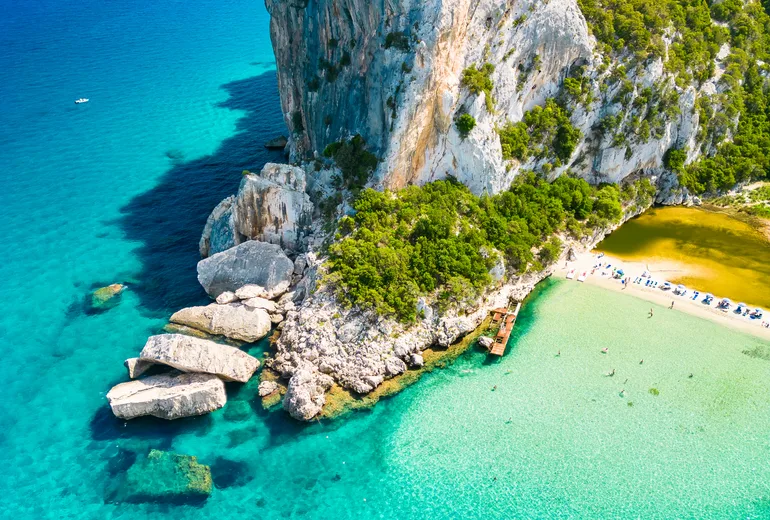
The draw is geography you cannot reach any other way. The gulf is a 25-kilometre wall of white dolomitic limestone dropping straight into water that glows an improbable pale blue over the sand bottoms. Several of the famous beaches, Cala Luna aside, have no road to them whatsoever, so a boat is not a luxury here, it is the only key to the door.
Cala Goloritzé, with its 143-metre rock pinnacle and natural arch, is a protected monument you cannot anchor in directly; you lie offshore and tender or swim in. Cala Mariolu shelves into water so clear the boat appears to float on glass. Between them sit Cala Biriola, Cala Sisine and the cave-pierced cliffs around Grotta del Fico. None of this is gentle pottering, though. The whole coast is exposed to easterlies, and when the levante blows the swell wraps into every cove. The skill is using the prevailing morning calm and the more common westerly land breeze to your advantage.
Late May into June, and again from early September, is the window most crews aim for: warm water, settled high-pressure spells, and far thinner crowds than the Italian-holiday crush of the first three weeks of August. July is fine if you can be flexible day to day. This route, slotted for early October, sits right at the tail of the season, when the day-boat traffic has thinned dramatically and the gulf feels genuinely quiet, with the trade-off that you watch the forecast more closely for the first autumn fronts.
Most bareboat and crewed cats for east Sardinia start from the Olbia and Costa Smeralda marinas in the north, with Olbia’s own airport ten minutes from the pontoons. From Olbia you have an easy first-day shakedown south before committing to the open cliff coast. The alternative is to charter from a southern base near Arbatax and run the gulf the other way; that shortens the delivery legs but gives you fewer fleet options. For a slower northern start that pairs well with this trip, our week-long plan for the waters off the capital, the Olbia 7-day sailing itinerary, covers the Tavolara and Molara anchorages you pass on the way down.
Provision properly in Olbia. The supermarkets there are full-size and cheap by island standards; once you are on the gulf coast there is essentially nowhere to shop until Cala Gonone, and that small resort town charges accordingly. Carry plenty of water and fuel, because you will motor more than you sail on the windless mornings that make this coast safe to visit.
The plan below assumes a Saturday-to-Saturday charter and a cruising cat doing 6 to 7 knots. Treat the order as flexible: on this coast the wind, not the calendar, decides where you sleep.
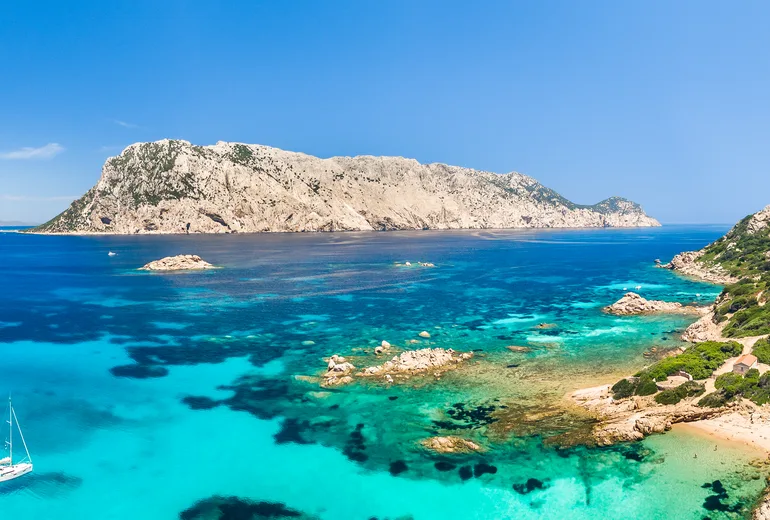
Clear the marina by early afternoon and make the short hop south to the towering massif of Tavolara, roughly 15 NM. Anchor in the shallows off the Spalmatore di Terra spit for the first swim and a settling-in night, with the village of Porto San Paolo a tender ride away for dinner ashore. This is an easy leg by design; you want the crew rested before the committing days.
This is the long delivery leg, around 35 NM down the coast to Cala Gonone, the only proper port serving the gulf. Plan an early start to keep the passage in the calmer part of the day. Cala Gonone has a small harbour where you can med-moor, take on water, and walk into a working town for one last full provisioning run. From here south, you are committed to anchorages.
Cala Luna, a wide arc of beach backed by caves at the cliff base, is the gulf’s signature and the one cove you can also reach on foot, so it draws walkers. Arrive by 9am and you get the morning to yourselves; by noon the day-boats raft up three deep. Anchor on sand well off the beach. In the afternoon slip a few miles south to Cala Sisine, narrower and quieter, and take the night there if the forecast is settled.
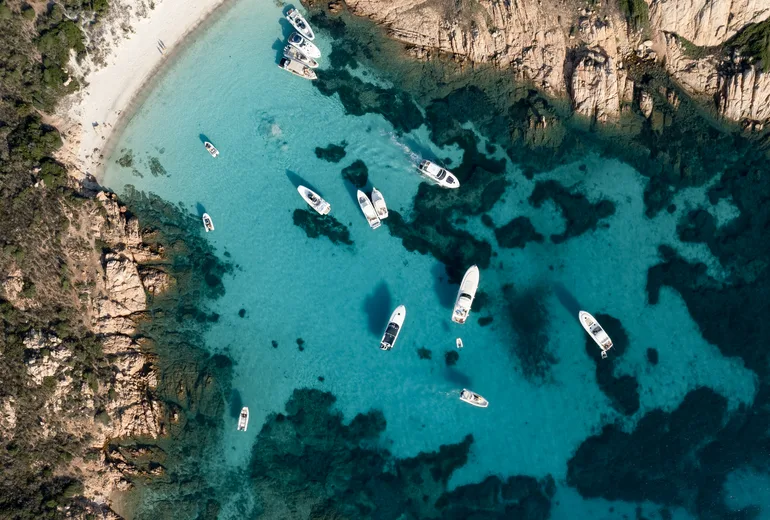
The heart of the trip. Cala Biriola and Cala Mariolu sit within a couple of miles of each other, both white-pebble coves over pale sand, both stunning and both popular. Mariolu in particular is often rated the gulf’s finest; aim to be on the water early. Between swims, tender to the Grotta del Fico, the old monk-seal cave now open for guided visits. There is no overnight shelter to speak of in these coves if any east in the wind, so keep an eye on the evening forecast and be ready to run back north to Cala Gonone or duck into a more protected notch.
The showpiece. Goloritzé’s arch and pinnacle make it the most photographed spot in Sardinia, and access is capped: you anchor outside the marked zone and swim or tender to the beach, where a daily visitor limit and a small fee apply in season. Go in the morning before the trippers from Santa Maria Navarrese arrive. South of here the cliffs ease toward Arbatax and the famous red porphyry rocks of Le Rocce Rosse.
Begin the run back north. With a fair westerly land breeze the return up the coast can be a genuine sail rather than a motor. Re-anchor at a favourite cove you rushed past, or push for Cala Gonone and a restaurant dinner. Build slack into this day; if a levante is forecast, you want to be tucked back behind Tavolara, not pinned on the cliff coast.
Final passage to the base, fuelling and a relaxed last lunch at anchor off Tavolara before handing the boat back. Charter companies typically want the cat in by late afternoon, so plan the timing rather than leaving it to chance.
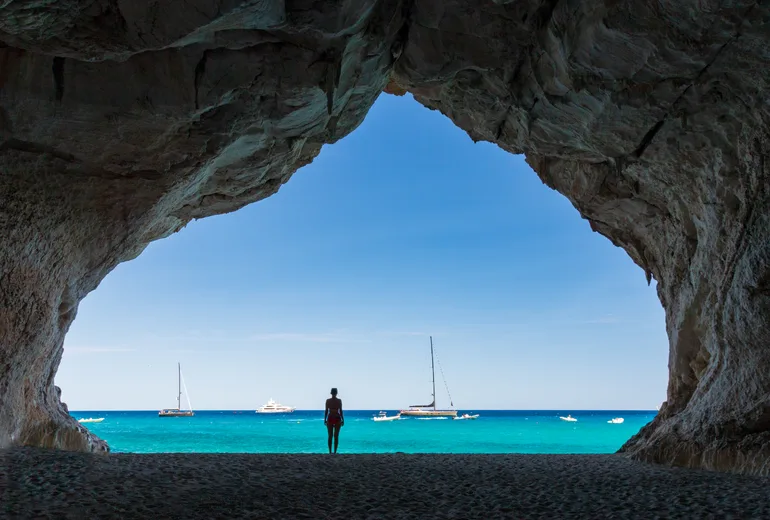
The single thing that defines a Gulf of Orosei charter is exposure. There is no marina, no all-weather bolthole, between Cala Gonone and the southern towns. When the east wind gets up, the famous coves become untenable fast, and a swell can run in even on a calm-looking day. None of that should put you off, but it does mean you treat the forecast as the boss and keep a fallback in your pocket: the sheltered north, behind Tavolara and around the La Maddalena fringe, is always a sail away if the gulf shuts down. Crews who insist on a fixed day-by-day plan tend to have a worse week than those who stay loose.
A few practical notes. Mooring fields are being introduced in parts of the gulf to protect the seabed, so carry plenty of chain and be ready to pick up a buoy where one exists. Anchoring on the protected Posidonia seagrass that fringes these coves carries real fines, so drop only on clean sand and check your set. And book the boat early: the limited cat fleet working east Sardinia sells its prime June and September weeks for the following year fast, which is why the smart money is already looking at 2027.
A bareboat 42-foot cat out of Olbia runs roughly €5,500 to €9,000 a week depending on season and age, before fuel, the end clean and the cruising tax; add a skipper at around €180 to €220 a day if you would rather not navigate the cliff coast yourself. Anchoring out for most nights keeps berthing costs near zero, which is part of why the gulf rewards a catamaran. For a wider sweep of the island beyond this one coast, our roundup of Sardinia’s must-see bays, islands and towns by catamaran sets the gulf in context with the granite anchorages of the north. And if you are weighing this against next summer’s calendar generally, the planning notes in our look at the 2027 Italy catamaran charter season opening up explain why the best east-coast weeks go first.
Yes, comfortably. From Olbia you spend two days getting down and back and four on the gulf itself, which is plenty to see Cala Luna, Mariolu, Biriola and Goloritzé without rushing. The limiting factor is never distance, it is the wind, so keep a day of slack for weather.
Access to Goloritzé is capped with a daily visitor limit and a small entry fee in season, and you cannot anchor inside the protected zone. You lie offshore and reach the beach by tender or swimming. Arriving early in the morning is the surest way to land before the daily cap fills.
It is manageable for a competent skipper who respects the forecast, but it is not a beginner coast. The lack of shelter when the east wind blows is the real hazard. If your crew is new to exposed anchoring, taking a local skipper for at least the gulf section is money well spent.
Early June and September give the best mix of warm water, settled weather and thinner crowds. Late September and early October stay quiet and pleasant, with the trade-off of watching more closely for the first autumn fronts. Peak August is busy and pricey.
Stock up fully in Olbia before you leave, where supermarkets are large and reasonably priced. Cala Gonone is the only resupply point on the coast itself and charges island prices, so carry water, fuel and several days of food aboard.
Ready to lock in a prime east-Sardinia week before the fleet sells out? Browse the boats and dates on our Italy catamaran charter destinations page and start planning your Gulf of Orosei route.