Eastern Sicily 7-Day Catamaran Route: Riposto to Syracuse Under Mount Etna
A 7-day east Sicily sailing itinerary by catamaran from Riposto to Syracuse, with Taormina, the Aci Trezza stacks and Ortigia.
Read more
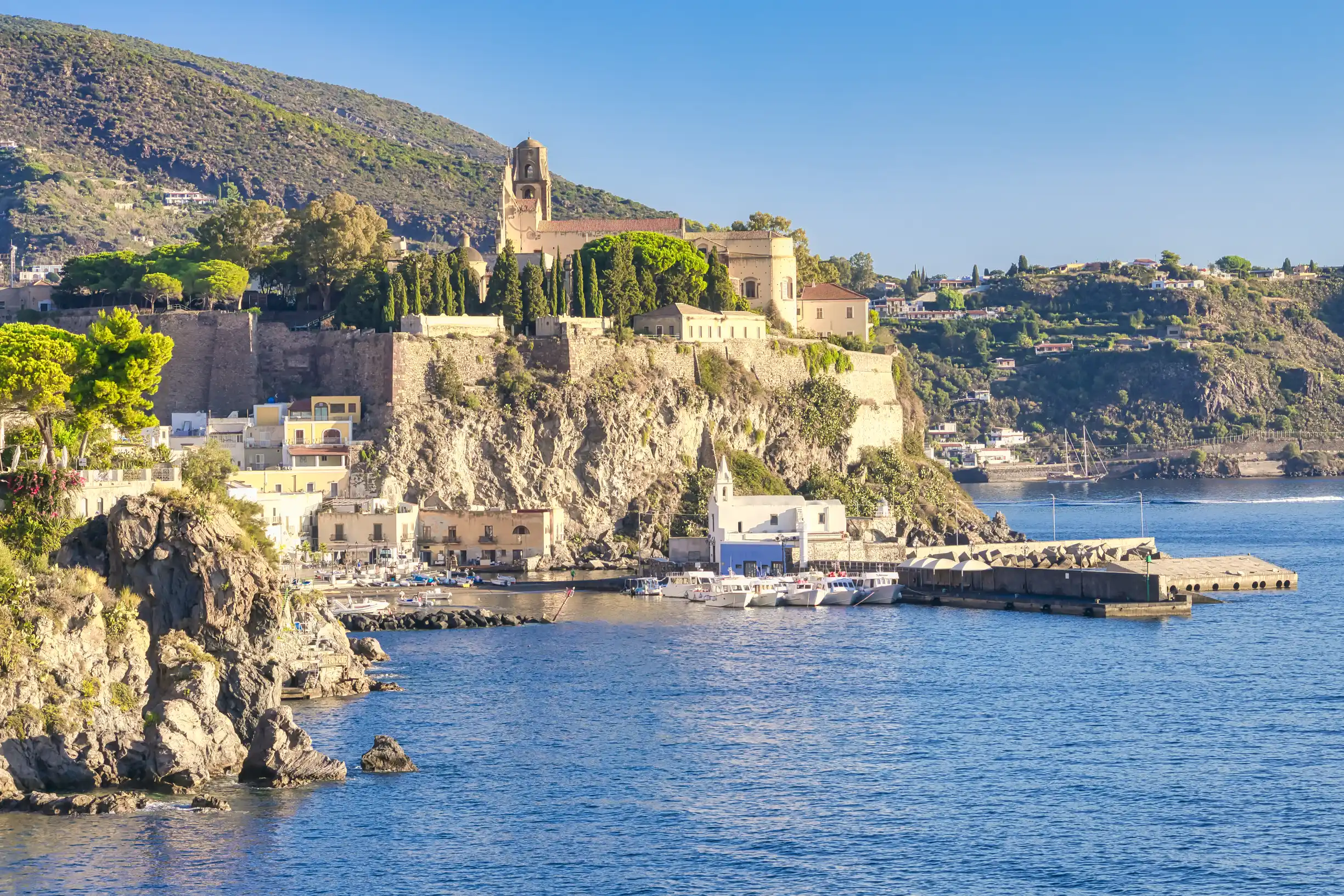
Romans have a weekend escape that most foreign charterers never hear about: the Pontine Islands, a 35-nautical-mile hop offshore from the Lazio coast. A Ponza catamaran charter out of Anzio or Nettuno turns that local secret into a two or three-day cruise around volcanic cliffs, sea caves and some of the clearest water in the Tyrrhenian, all within easy reach of Rome’s airports.
The appeal is the contrast. Ponza is a working pastel-coloured island with proper restaurants and a real harbour, while neighbouring Palmarola is near-uninhabited, a wild rampart of rock that the diver Jacques Cousteau reportedly rated among the loveliest spots in the Mediterranean. This guide lays out the departure logistics, a day-by-day plan, and the one thing that makes or breaks the trip: timing the crossings around the wind.
The practical jumping-off points are Anzio and Nettuno, twin harbour towns about an hour south of Rome by car or train. Both sit roughly 35 NM from Ponza, which at a cruising cat’s pace of 6 to 7 knots is around five to six hours of sailing, comfortably a morning-to-afternoon passage. From Rome Fiumicino the drive is about 70 minutes; from Ciampino, a little less. The train from Roma Termini to Anzio runs regularly and drops you near the port.
Provision before you leave the mainland. Anzio has good supermarkets and a fish market, and prices on Ponza climb the way they do on any small island that ships everything in. Stock water, fresh produce and a couple of dinners’ worth of provisions, because while Ponza eats well, you will want the option to anchor and cook aboard in the quieter coves. For a fuller method on stocking a cat for a few days offshore, see our notes on how to provision for a bareboat charter.
June and September are the sweet spot: warm water, settled weather, and far fewer Roman weekenders than the August peak, when Ponza’s harbour fills with day boats and the prices spike. Mid-July, the dates of this route, still works well midweek; aim to arrive and leave outside the Friday-evening and Sunday-afternoon rush if you can.
Leave Anzio early to make the most of the morning calm, when the Tyrrhenian is typically flattest. The crossing to Ponza is open water with no shelter in between, so check the forecast the night before and look specifically for the libeccio, the southwesterly that builds a swell across this stretch. On a settled day it is a pleasant beam or broad reach.
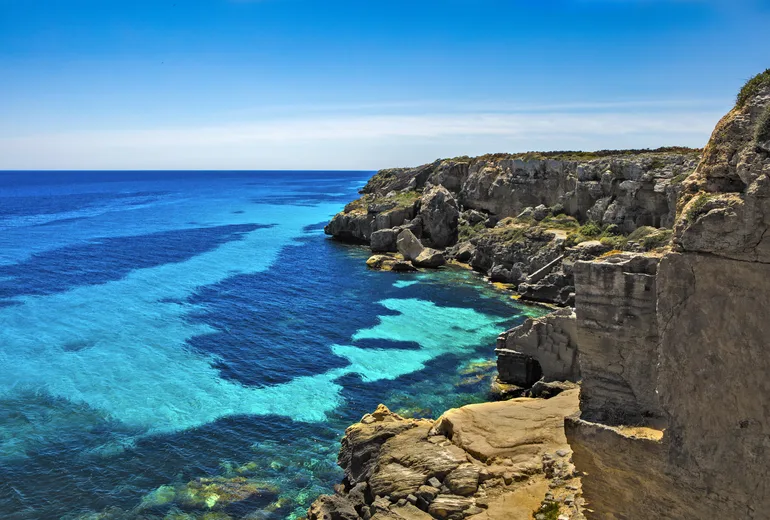
Arriving at Ponza, the first must-see is Chiaia di Luna, a crescent of pale tuff cliff curving around a beach on the island’s southwest side. The cliff face is dramatic and the anchorage is stunning, but read it carefully: it is exposed to the southwest and there have been rockfalls, so you anchor offshore on sand, keep clear of the cliff base, and do not linger if a southwesterly is forecast. Swim, take it in, then move around to the more sheltered eastern bays for the night.
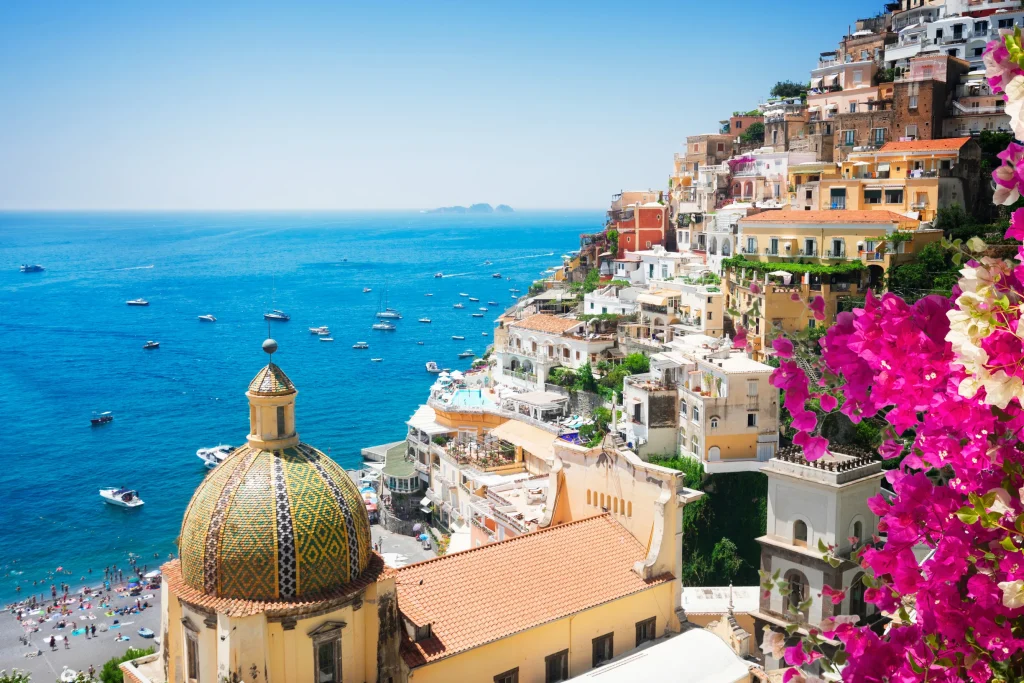
Cala Feola and Cala dell’Acqua on the northwest, or the bays near the main harbour of Ponza Porto, give better overnight shelter depending on the wind. The harbour itself has moorings if you want dinner ashore; the town’s lanes climb in tiers of faded pink and ochre, and a plate of the local lentils from nearby Ventotene or fresh fish with a glass of Lazio white is a fine way to end the passage day.
Before you push west, give the harbour an hour. Ponza Porto wraps around a natural amphitheatre of tuff cut into tiers of faded pink, yellow and terracotta, and the lanes climbing behind the quay hide bakeries, ceramic workshops and tiny bars. The island’s signature is its fishing: order the local catch grilled simply, or a plate of spaghetti with sea urchin or clams when in season. A bottle of crisp Lazio white such as a Frascati or a Falanghina suits a lunch on deck before the crossing to Palmarola. Pick up bread, tomatoes and peaches from the morning stalls so you can anchor and eat aboard on the wilder island next door, where there is little to buy.
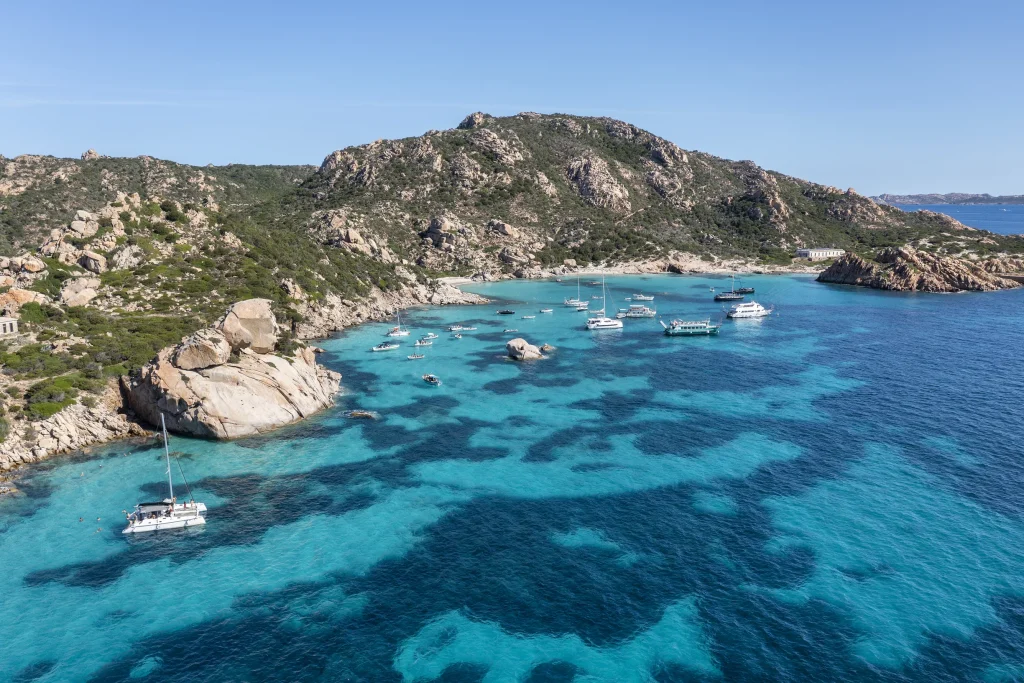
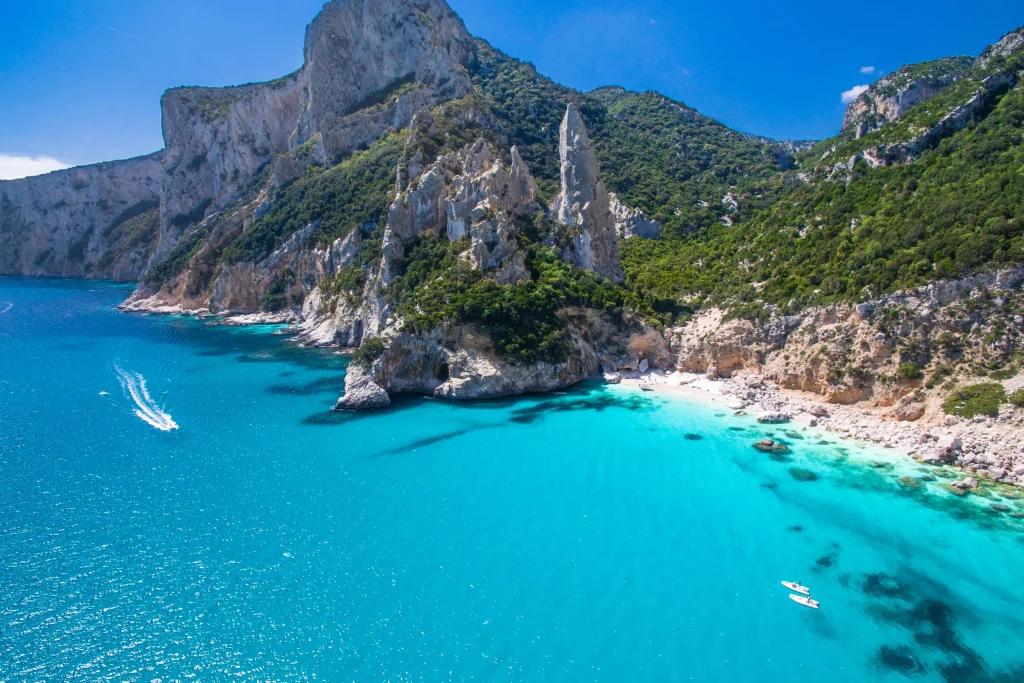
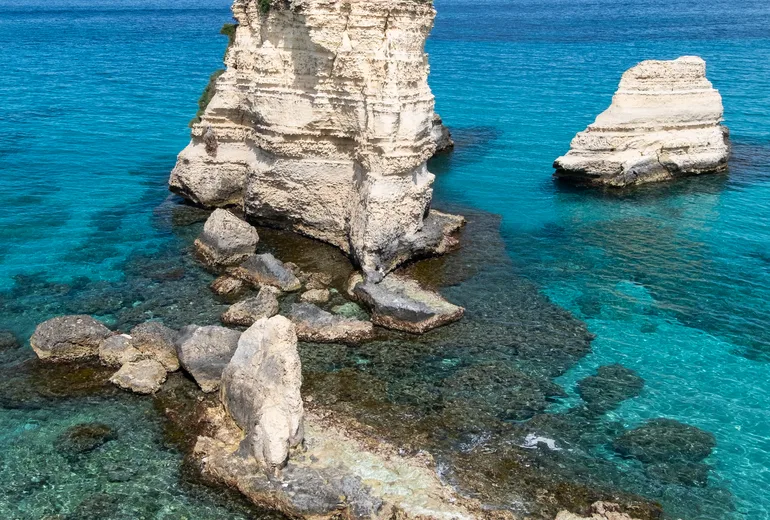
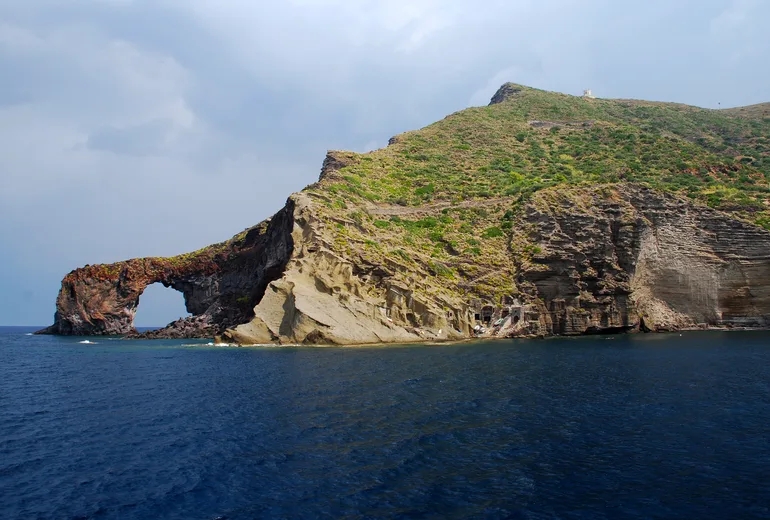
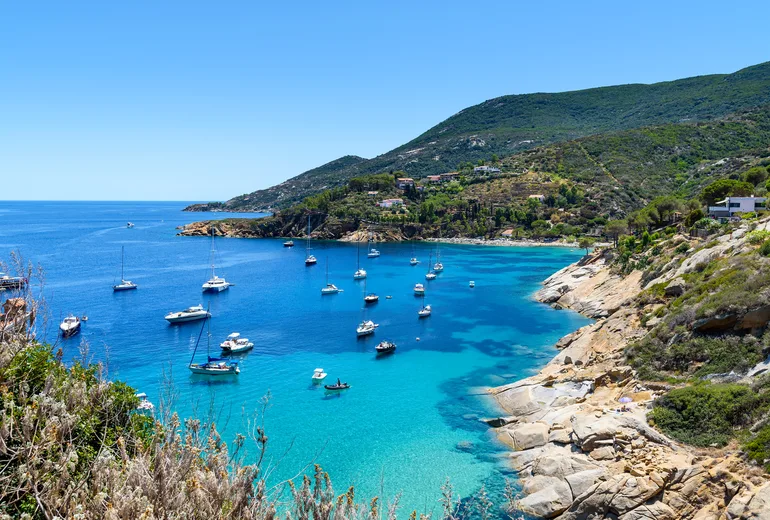
The reason most crews come this far is the short, roughly 6 NM hop west to Palmarola. Uninhabited but for a seasonal trattoria, it is a jagged spine of rock riddled with caves, arches and pinnacles. The standout is the cluster of eroded stone spires on the southeast side, often likened to a ruined cathedral, with the largest formation rising straight from the sea. Anchor on sand in the bays below, swim into the grottoes by tender or on a paddleboard, and you will understand why this rock has the reputation it does.
Palmarola has almost no infrastructure, so this is a day of self-sufficiency: your own lunch aboard, plenty of water, and an eye on the swing room because the anchorages are tucked under cliffs. The light through the rock arches in the late afternoon is the kind of thing people sail a long way to see. For a sense of how this compares with Italy’s other standout anchorages, our guide to the best anchorage locations in Italy sets the scene.
If you have a third day and the forecast cooperates, the eastern Pontine group, Ventotene and tiny Santo Stefano with its ruined panopticon prison, lies about 20 NM southeast. Ventotene’s Roman-era harbour, carved straight out of the tuff rock, is one of the oldest working ports in the Mediterranean and a genuine curiosity. It is a longer commitment, so most weekend crews keep it for a return visit and concentrate on Ponza and Palmarola.
Palmarola is as much an underwater stop as a scenic one. The water clarity around the southern bays regularly runs to 20 metres or more on a calm day, and the rock walls drop steeply into blue, which makes for easy snorkelling straight off the swim ladder. Several low grottoes along the western side are navigable by tender or kayak when the sea is flat; take a torch and keep an eye on the swell, because even a slight surge turns a calm cave entrance into a hazard. The Cala del Porto, the island’s main anchorage, has the seasonal trattoria perched in caves carved into the cliff, a memorable lunch if it is open and the holding lets you leave the boat safely.
This is where the route is won or lost. The prevailing summer pattern is a morning calm that gives way to an afternoon sea breeze, and the open crossing back to Anzio is no place to be caught in a building libeccio. Plan the return for the morning, leaving Ponza early so you are berthed in Anzio before the afternoon wind fills in. Always keep a weather window in hand: if a stronger southwesterly is forecast for your planned departure day, it is far better to leave a half-day early than to push into a head sea on an exposed leg.
A catamaran helps here because its speed under sail or motor in light air lets you cover the 35 NM efficiently in the calm morning hours, and its stability keeps the crew comfortable if a chop does build. If wind is new territory for you, this is a strong argument for a skippered booking; the weighing-up is covered in our overview of catamaran charter in Italy for 2026.
A weekend Pontine charter is fuel-light because the distances are short once you reach the islands. Beyond the boat itself, budget for harbour mooring fees at Ponza Porto if you take a buoy or berth, typically in the range of €40–90 a night for a 40 to 46-foot cat in high season, plus provisioning ashore at island prices. Anchoring in the coves is free, which is part of why a self-sufficient cat suits these islands so well. There are no national-park anchoring permits to buy here the way there are in some Sardinian waters, but normal seamanship rules apply: anchor on sand, not seagrass, and respect any marked swimming or protected zones.
Yes. Anzio and Nettuno are about an hour from Rome and roughly 35 NM from Ponza, a five to six-hour crossing for a cruising catamaran. That leaves a comfortable two or three days to explore Ponza and Palmarola before the return leg, making it a realistic long-weekend escape.
Anzio and Nettuno are the natural mainland departure ports for their proximity to Rome and good provisioning. Some crews also start from bases further along the Lazio or Campania coast, but the Anzio crossing is the shortest and most popular way to reach the Pontine Islands.
It is a spectacular daytime stop on settled weather, but it is exposed to the southwest and has a history of rockfall, so you anchor offshore on sand, stay clear of the cliff base, and avoid it if a libeccio is forecast. For overnight shelter, move to the eastern or northwest bays of Ponza.
Palmarola is near-uninhabited, a wild island of sea caves, arches and eroded rock spires, including the cathedral-like formations on its southeast side. With almost no development, it offers some of the clearest water and most striking coastal scenery in the Tyrrhenian, best reached on a short hop from Ponza.
Leave Ponza in the morning while the sea is calm and aim to be berthed in Anzio before the afternoon breeze builds. Watch the forecast for the southwesterly libeccio across the open leg, and if stronger wind is due, depart half a day early rather than face a head sea on the exposed crossing.
The Pontine Islands reward a flexible weekend and a self-sufficient boat, which is exactly what a ponza catamaran charter delivers. Check available catamarans and dates near Rome on our Italy catamaran destinations page and plan your Ponza and Palmarola escape.